Hardness Testers: Rockwell, Brinell, Vickers & Microhardness
Hardness testers for Rockwell, Brinell, Vickers and microhardness testing – built for metals, alloys and components at every stage of production. As a CHENJI manufacturer since 2014 with ISO 9001 quality management, we supply digital Rockwell, hydraulic and video Brinell, Vickers and micro-Vickers machines plus portable Leeb units, from compact field testers to touch-screen laboratory systems. Whether you test heat-treated steel, castings, forgings or thin surface layers, our calibrated range covers the scale that matches your material. Contact us for the full catalog, custom specifications and factory prices.
Products in This Series
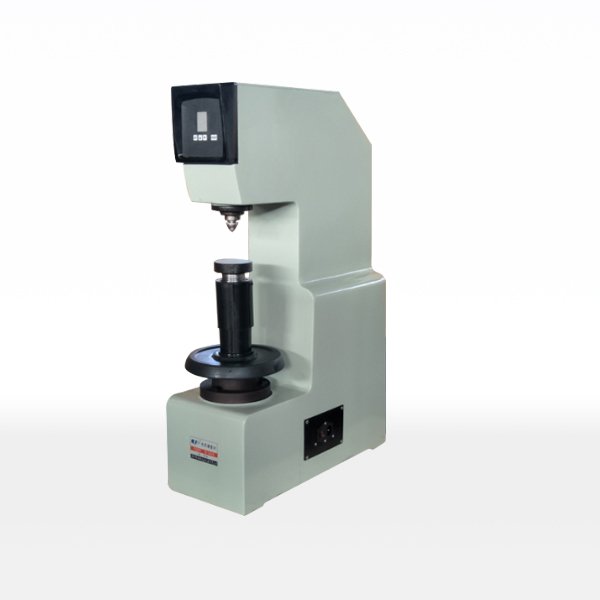
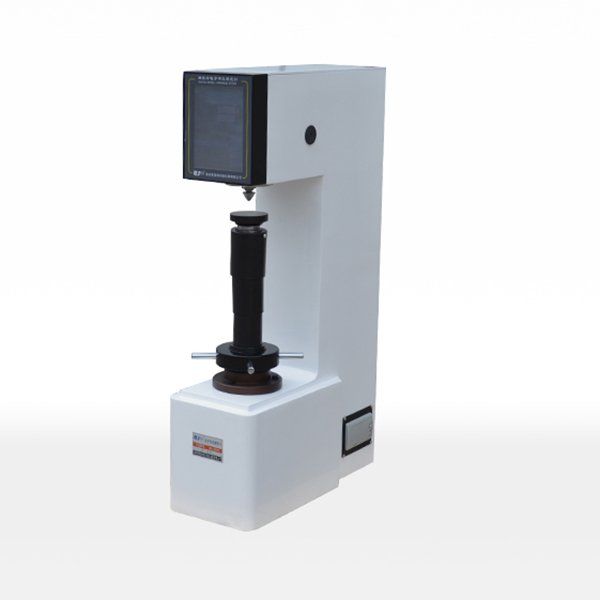
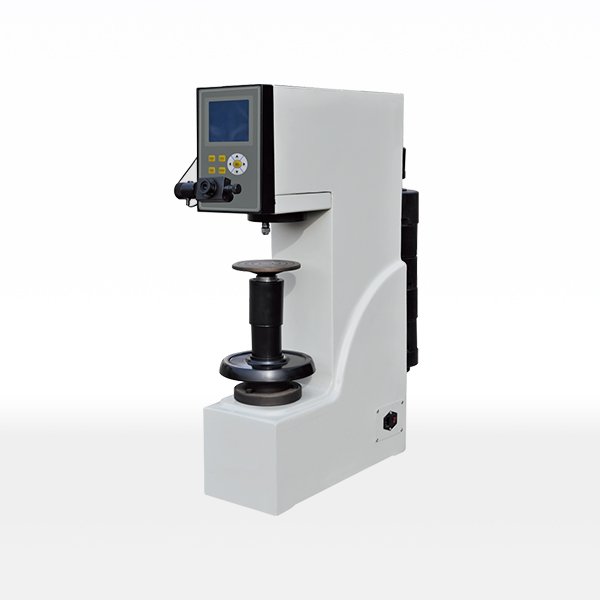
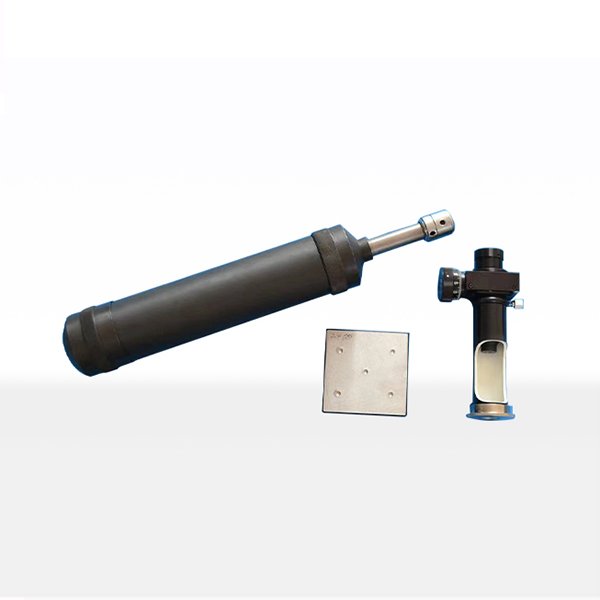
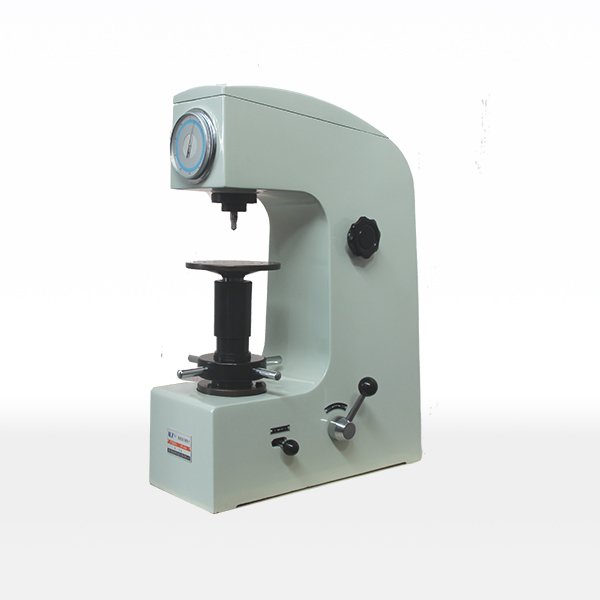
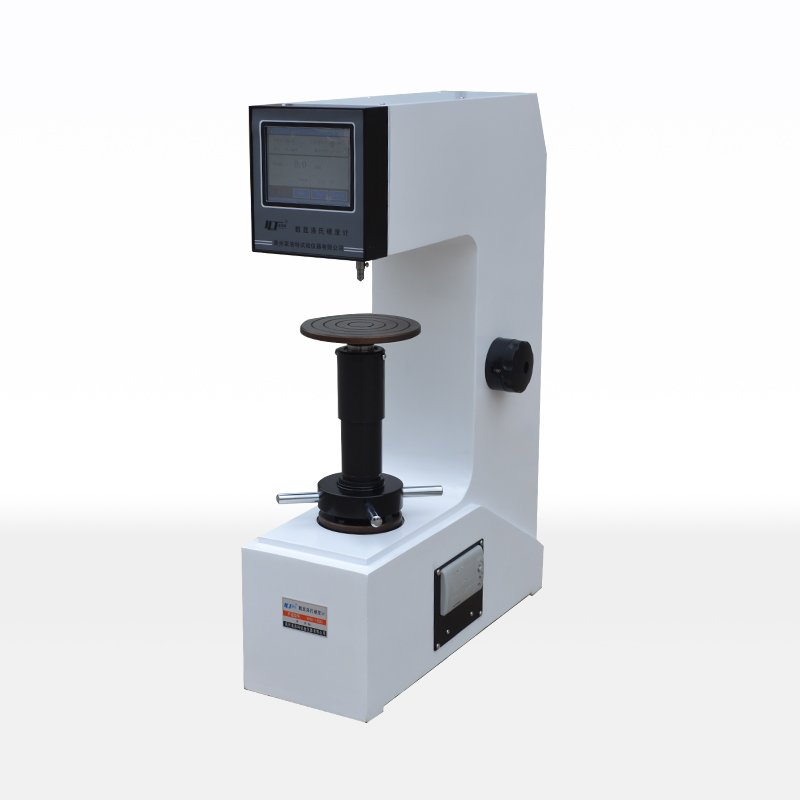
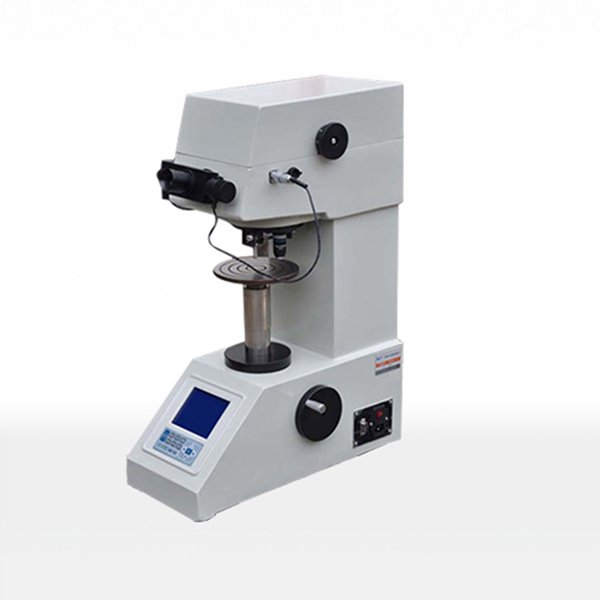
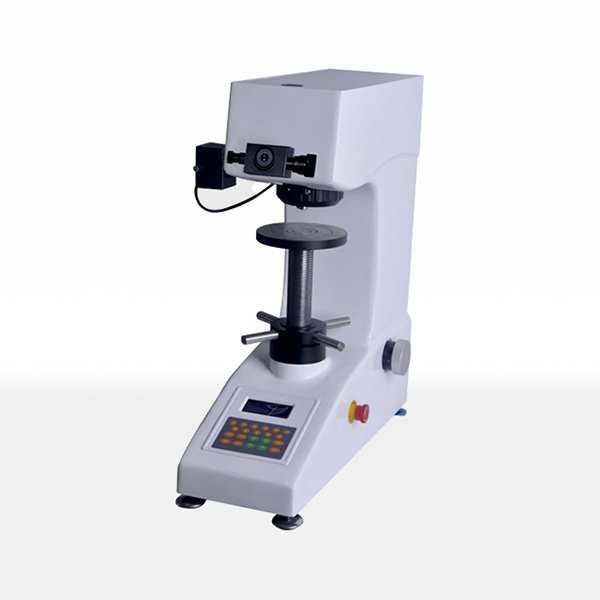
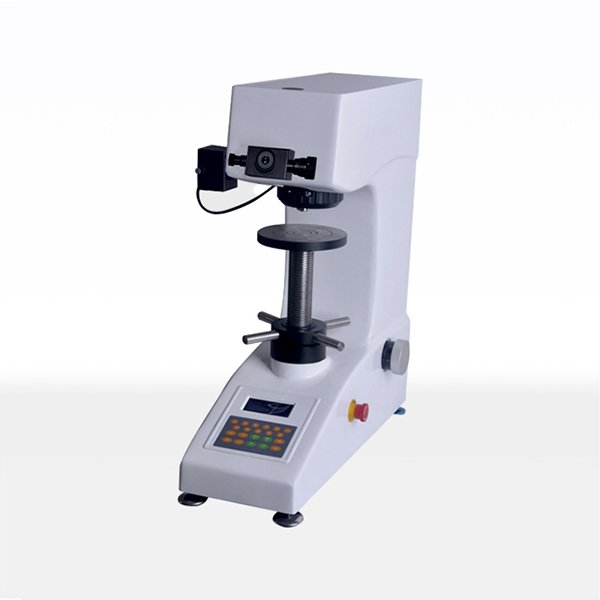
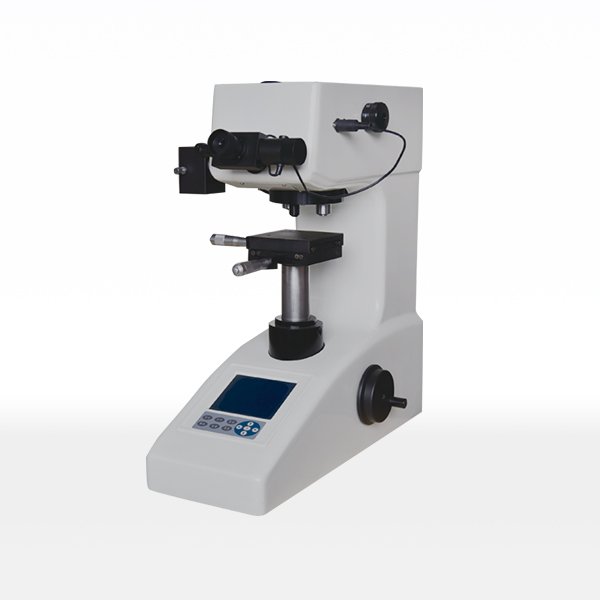
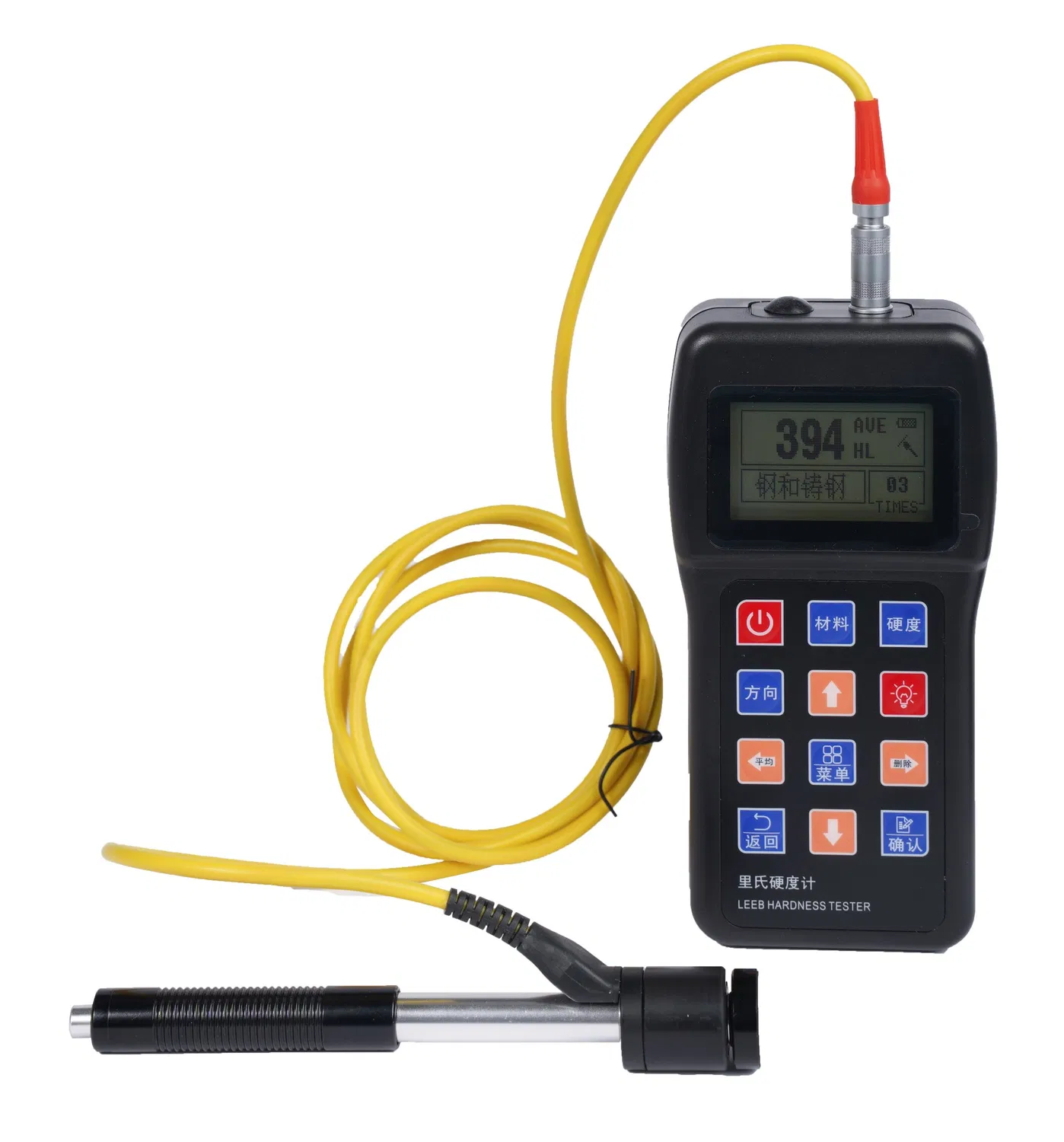
Looking for a Specific Model?
Contact us for the full catalog, custom specifications and factory prices.
Get a quick quote: email annie@chenjitester.com or WhatsApp +86 158 5311 1612. Reply within 1 working day.
Hardness Tester Specifications
| Hardness scale | Typical range | Representative CHENJI models |
|---|---|---|
| Rockwell (HRA / HRB / HRC) | 0–95 HR, resolution 0.1 HR | HR-150, HRS-150, HRD-150 (electric), MHRS-150 |
| Brinell (HBW) | 5–650 HBW, resolution 0.1–0.5 HBW | HB-3000B, HBS-3000, HBP-3000 (hydraulic) |
| Vickers & Micro-Vickers (HV) | 5–5000 HV, 0.09807 N test force | HV-1000A, HVS-1000, HVS-1000AT |
| Portable Leeb (HL) | Field / in-situ testing | HLN-180, HLN-190, HYL-180 |
Figures are typical per the CHENJI catalog; confirm the exact range, test force and display (dial, digital or touch-screen) for your target model.
Hardness Testing Applications & Industries
Our hardness testers serve quality control and R&D across metal and material industries:
- Heat-treated metal parts — hardening, carburizing and nitriding layers (Rockwell, Vickers).
- Castings and forgings — coarse-grained structures (Brinell with larger indenter).
- Thin sheets, small parts and coatings — micro/Vickers for precise small-area testing.
- Plastics and soft materials — suitable Rockwell scales for plastics.
- Field inspection of installed or large components — portable Leeb hardness testers.
Common end industries include automotive, fasteners, machinery parts, aerospace sub-assemblies and general manufacturing QA.
Hardness Testing FAQ
Q: Rockwell, Brinell or Vickers — how do I choose?
Rockwell (HRA/HRB/HRC) is the fastest and most common choice for finished steel and heat-treated parts. Brinell (HBW) uses a larger indenter and suits coarse-grained castings and forgings. Vickers and micro-Vickers (HV) suit thin sheets, small components and surface-hardened layers. Send us a sample or your material spec and we will recommend the right scale.
Q: Are portable Leeb hardness testers accurate?
Yes, portable Leeb units are accurate for field and in-situ checks when calibrated against a reference block of similar material and hardness. They are ideal for large or installed parts; for tight tolerances, follow up with bench Rockwell, Brinell or Vickers.
Q: What surface preparation does a hardness test need?
The surface must be flat, clean, free of scale or coatings (unless the coating itself is being tested) and smooth enough for the scale — Vickers and micro-Vickers generally need a ground or polished surface and a minimum part thickness.
Q: Which standards do your hardness testers comply with?
Our testers are built to meet the required ISO / ASTM / DIN / GB test methods; calibration certificates are supplied, and we can quote against your specific target standard and procedure.
Q: Do you supply test blocks and training?
Yes — verification test blocks and installation plus operator training can be included with the machine. Contact our sales team for full options and delivery time.
Related Testing Machines & Applications
Explore our full range of material testing machines and find the right solution for your laboratory, factory or research application. Related machine types and application guides:
Hardness Testers: Types, Working Principle & Selection Guide
What is a hardness tester?
A hardness tester measures the resistance of a material — such as metal, alloy, casting or hardened steel — to indentation or scratching, and expresses the result as a hardness value on a recognized scale such as Brinell (HBW), Rockwell (HRA/HRC/HRB) or Vickers (HV). Because hardness is closely linked to strength, wear resistance and heat-treatment quality, hardness testing is one of the fastest and most economical ways to verify that a part or material meets its required properties during production and incoming/outgoing quality control. Hardness testers range from bench-mounted analog machines to digital, touchscreen and fully automatic gate-type models, and the right choice depends on the material type, the hardness range and the standard (ISO, ASTM, DIN or GB) your specification requires.
How does a hardness tester work?
Hardness testing works by applying a controlled force to press an indenter — a hardened steel or carbide ball, a diamond cone or a diamond pyramid — into the specimen surface for a set time, then measuring the size or depth of the indentation left behind. In a Brinell test, for example, a hardened steel or tungsten-carbide ball of known diameter is pressed into the workpiece under a fixed load and the diameter of the resulting indentation is measured and converted to an HBW value. A Rockwell tester instead measures indentation depth directly by applying a preload followed by a major load, giving an immediate digital reading. The applied force, the indenter geometry and the surface condition of the specimen all affect the result, so testers are built to be used according to the exact ISO, ASTM, DIN or GB method you specify, with the appropriate force ranges and indenter combinations.
What to look for when choosing a hardness tester
- Hardness scale: confirm which scales you need — Brinell (HBW), Rockwell (HRA/HRC/HRB) or Vickers — since each suits different materials and hardness ranges.
- Test range: check the measuring range covers your workpieces; for example Brinell testers commonly span roughly 5 to 650 HBW / 8 to 650 HBW.
- Force options: make sure the tester supplies the indenter forces your standard specifies (such as 62.5 kgf or 187.5 kgf for Brinell work).
- Resolution: higher resolution (for example 0.1 HBW) gives finer distinction for close hardness control.
- Operation mode: choose between manual, digital/touchscreen, or fully automatic gate-type models depending on throughput and operator skill.
- Specimen size and height: the work-table opening and specimen height capacity must fit your parts (common test heights around 230–330 mm).
- Surface requirements: know the minimum test-surface prep each method demands, because rough or contaminated surfaces distort readings.
- Applicable standards: ensure the machine is configured for the ISO, ASTM, DIN or GB hardness method your customers or industry require.
Frequently asked questions
Q1. What is the difference between Brinell, Rockwell and Vickers hardness?
Brinell uses a hardened ball indenter and suits softer metals, castings and rough surfaces; Rockwell measures indentation depth and gives immediate readings for harder steels; Vickers uses a diamond pyramid and covers a very wide range of materials from thin sections to hard tool steels.
Q2. Do you supply digital or automatic hardness testers?
Yes. We supply bench electronic Brinell models with touchscreen operation as well as gate-type fully automatic models with CCD measurement for higher-throughput, more consistent testing.
Q3. Can the tester be supplied for our required test standard?
Yes. Hardness testers are configured to your specified ISO, ASTM, DIN or GB method, with the correct indenter, force range and test cycle.