Hydraulic Universal Testing Machines
High-capacity hydraulic universal testing machines from 300 kN to 2000 kN with servo control, ideal for steel, rebar, wire rope and structural testing.
Products in This Series
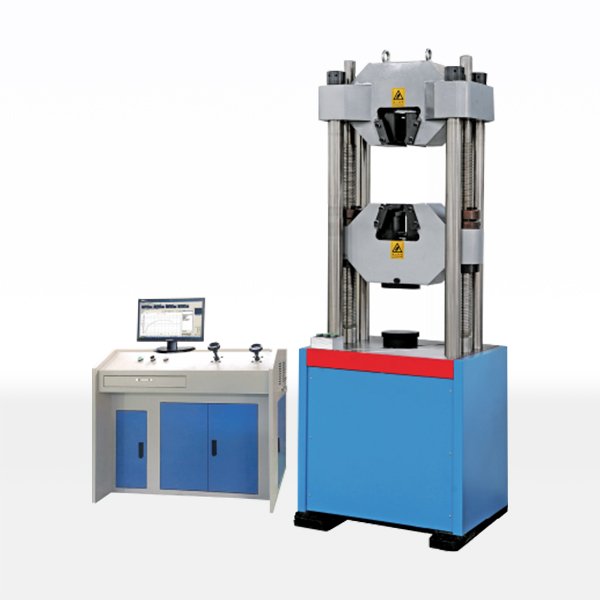
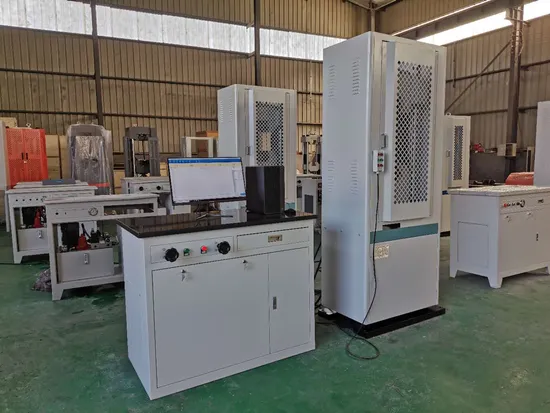
Jinan Chenji Waw 1000kn 2000kn Computer Controlled Hydraulic Servo Universal Testing Machine
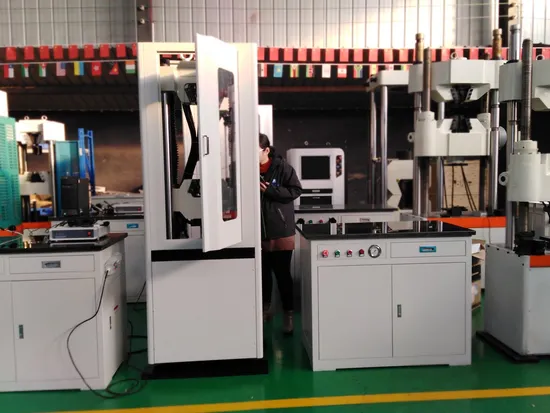
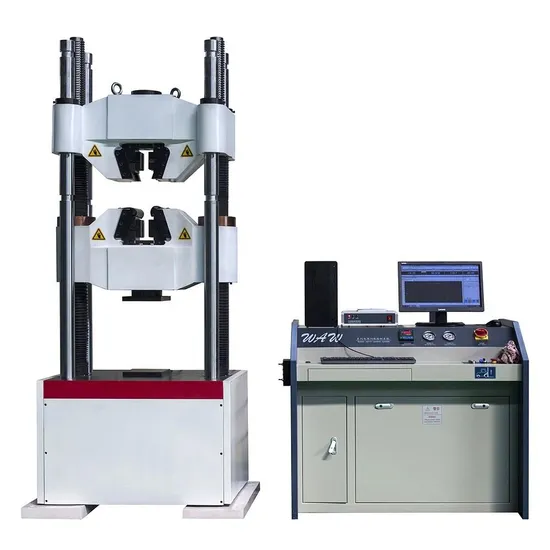
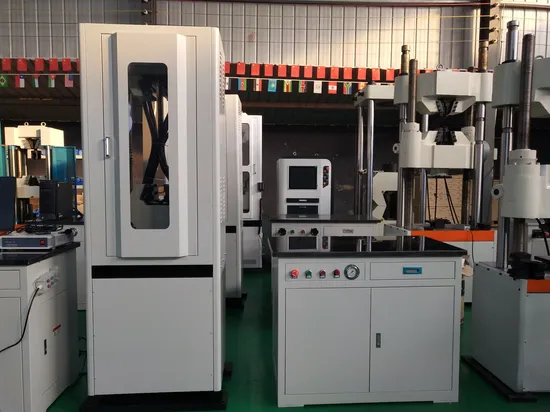
Waw-300kn Elevator Steel Rope Rebar Hydraulic Universal Testing Machine with Servo Control
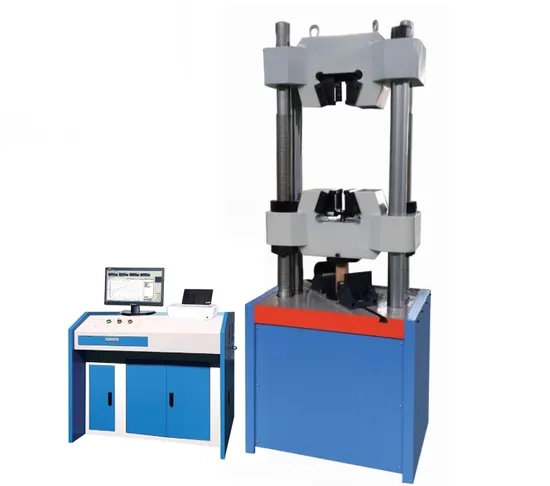
300kn 600kn 1000kn Waw-B Series Computerized Hydraulic Control Universal Tensile Straction Yield Strength Testing Machine for Steel Rebar
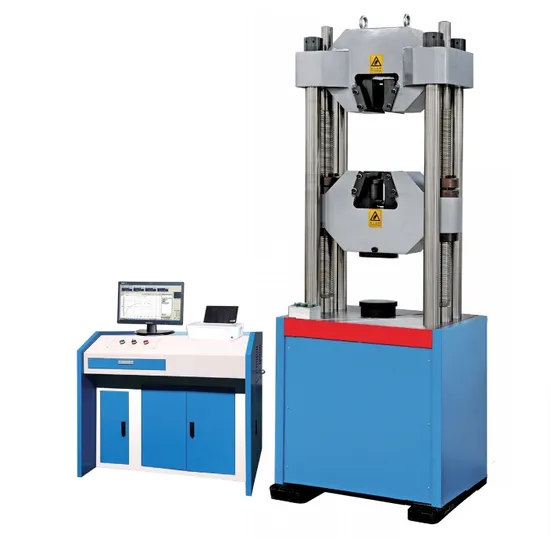
Auto Control Computerized ASTM ISO GB ISO Js Steel Standard 30ton 60ton 100ton Waw-D Tensile Testing Machine with Hydraulic Powering
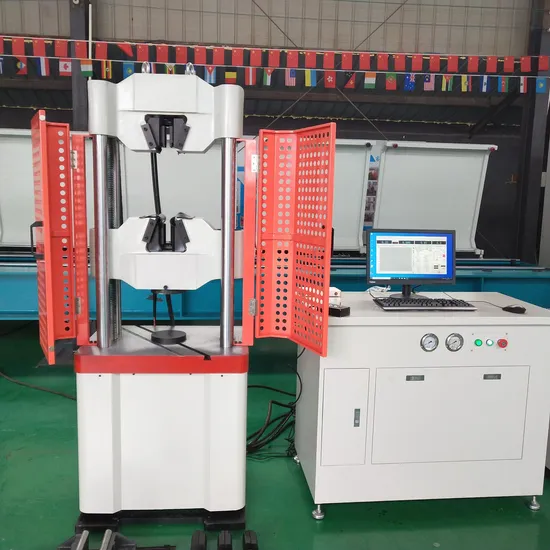
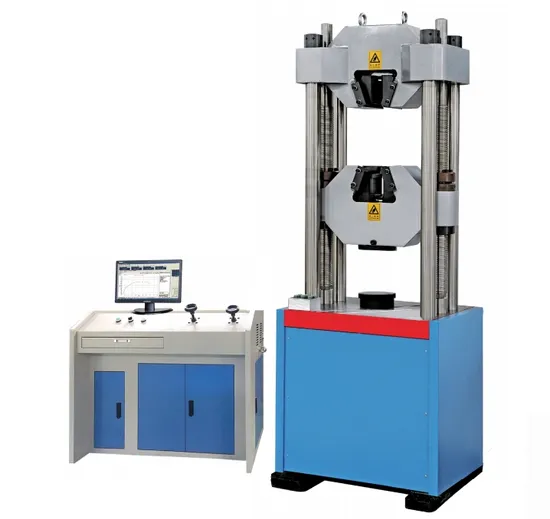
Wew-D Series 30ton 300kn 60ton 600kn 100ton 1000kn Hydraulic Loading Universal Testing Machine
Looking for a Specific Model?
Contact us for the full catalog, custom specifications and factory prices.
Hydraulic Universal Testing Machines
A hydraulic universal testing machine applies force through a hydraulic power unit rather than a screw drive, which is why it is used for the high-capacity tensile, compression, bending and shear tests that an electronic frame cannot reach. The machines in this series cover roughly 300 kN to 2000 kN and are used for steel, rebar, wire rope and structural testing, with servo control holding the loading rate steady through the test.
Capacity is chosen from the specimen and the standard, not from the largest frame available. A frame that is too large for the specimen wastes accuracy at low force, so the useful range matters as much as the maximum load, and a hydraulic machine is normally selected when the force needed sits above about 600 kN, where a dual-column electronic frame becomes impractical.
Technical Specifications
| Parameter | Value |
|---|---|
| Capacities in this series | 300 kN, 600 kN, 1000 kN and 2000 kN class machines |
| WEW series | WEW-300BD / 600BD / 1000BD microcomputer screen display (300 / 600 / 1000 kN) |
| WAW series | WAW-300, WAW-1000A (1000 kN), WAW-2000D (2000 kN) and WAW-B / WAW-D series |
| Loading | Hydraulic loading with servo or computer control |
| Force verification | Per ISO 7500-1 / ASTM E4; load cells supplied class 0.5 or class 1 |
| Typical capacity use | Hydraulic frames above about 600 kN; dual-column electronic frames 5 kN to 600 kN |
When a hydraulic universal testing machine is the right choice
Force is measured by a load cell whose indication should stay within class 0.5 or class 1 per ISO 7500-1, meaning the indicated force stays within +/-0.5 % or +/-1 % of the true force, and ISO 7500-1 and ASTM E4 define how that force measuring system is verified. A single-column electronic machine is typically used from about 100 N to 5 kN and a dual-column electronic machine from about 5 kN to 600 kN, while hydraulic frames are used above 600 kN. Because universal testing machine capacities commonly run from 5 kN to 3000 kN, the hydraulic series fills the upper part of that range where steel, rebar, wire rope and heavy structural work sit.
Using a machine well below its working range is just as much a mistake as overloading it. A 1000 kN machine is not suitable for a sample that needs 1 N of force, so the capacity and the specimen must be matched before a machine is ordered.
Hydraulic loading, servo control and test types
Hydraulic loading applies the load smoothly and holds the rate without the lag a mechanical drive can show, which matters for tensile tests where the loading rate must be steady for the result to be comparable. Servo control on the WAW and WEW machines keeps the loading rate constant during the test and holds the peak force, so yield and tensile strength can be read directly from the recording. The same frame, with the right grips and fixtures, performs the tensile, compression, bending and shear tests of metals, and the crosshead speed on a servo controlled machine typically ranges from about 0.01 mm/min up to 500 mm/min. ISO 6892-1 covers the tensile test of metallic materials at room temperature and ASTM E8/E8M is the US equivalent.
Applications
Hydraulic universal testing machines from this series are used for the acceptance and quality-control testing of steel bars and rebar, wire rope, wire and cable, bolts and fasteners, welded and structural sections, and for the compression testing of concrete and masonry when a high-capacity frame is required. Typical users are steel mills and traders, rebar and wire-rope fabricators, construction and bridge laboratories, and the test houses that issue acceptance certificates. Calibration certificates for testing machines are normally issued for 12 months and should be traceable to national force standards.
Frequently Asked Questions
What capacity hydraulic universal testing machines are available?
The series covers 300 kN, 600 kN, 1000 kN and 2000 kN class machines, including the WEW-300BD/600BD/1000BD screen-display models and the WAW-300, WAW-1000A, WAW-2000D and WAW-B / WAW-D servo models.
When should I choose a hydraulic machine instead of an electronic one?
A dual-column electronic machine commonly covers about 5 kN to 600 kN, and hydraulic frames are used above about 600 kN. If your test force sits in that upper range, a hydraulic universal testing machine is the practical choice.
How is the force measurement verified?
The force measuring system is verified per ISO 7500-1 or ASTM E4, and load cells are commonly supplied as class 0.5 or class 1, meaning the indicated force stays within +/-0.5 % or +/-1 % of the true force.
What tests can a hydraulic universal testing machine perform?
With the appropriate grips and fixtures it performs tensile, compression, bending and shear tests. Tensile testing of metallic materials at room temperature is covered by ISO 6892-1 and by ASTM E8/E8M.
How fast does the crosshead move on these machines?
On a servo controlled universal testing machine the crosshead speed typically ranges from about 0.01 mm/min up to 500 mm/min, and the loading rate is held steady through the test by the servo control system.
Related Products & Pages
- Tensile Testing Page
- WAW-1000A 1000 kN Computer Control Hydraulic Universal Testing Machine
- Electronic Universal Testing Machines
- Metal Testing Machines
About CHENJI & Support
CHENJI is the brand of Jinan Chenji International Trade Co., Ltd. (Shandong, China), a manufacturer and exporter of material testing machines since 2014, with in-house quality control plus third-party inspection by SGS or Bureau Veritas. The company holds ISO 9001 certification (626024QH073R1) and is a Bureau Veritas audited supplier (MIC-ASR2451820). Testing machines are normally supplied with a calibration certificate valid for 12 months and traceable to national force standards, and our engineers help you select the machine, fixtures and accessories for your specimen and method.
Every quotation is prepared against the standard you test to, so the delivered machine matches the test method rather than only the headline capacity. Spare parts, consumables and calibration support are available after delivery, and machines can be produced to OEM or ODM requirements when a customer drawing or specification is provided.
Selecting and Verifying a Testing Machine
Choosing a machine is a matter of matching capacity to the specimen and the method, not of buying the largest frame. A 1000 kN machine is not suitable for a sample that needs 1 N of force; capacity selection follows the specimen and the standard, and the force measuring system should be verified per ISO 7500-1 or ASTM E4 on a regular schedule. Load cells are commonly supplied as class 0.5 or class 1, which means the indicated force stays within ±0.5% or ±1% of the true force.
Test results are only comparable when they are quoted together with the standard, the specimen geometry, the test speed and the force measurement class. We are glad to review your test method and specimen so that the machine, fixtures and accessories are correctly specified before you order.
Request a Quotation
Tell CHENJI the specimen, the maximum force and the standard you test to, and we will recommend the right hydraulic universal testing machine and quotation.
Email annie@chenjitester.com or call / WhatsApp +86 158 5311 1612.