Torsion Testing Machines: Spring, Wire & Metal Torsion Testers
Torsion testing machines measure the torque, twist angle and torsional strength of metal wires, bars, springs and fasteners under controlled rotation. As a CHENJI manufacturer since 2014, we supply spring torsion testers, wire torsion testers and computer-controlled metal torsion testing machines from 10 N·m to 1000 N·m, built to ISO 9001-certified quality and load-tested before dispatch. Get an accurate torque range, resolution and clamping solution for your material — from fine springs to heavy shafts.
Products in This Series
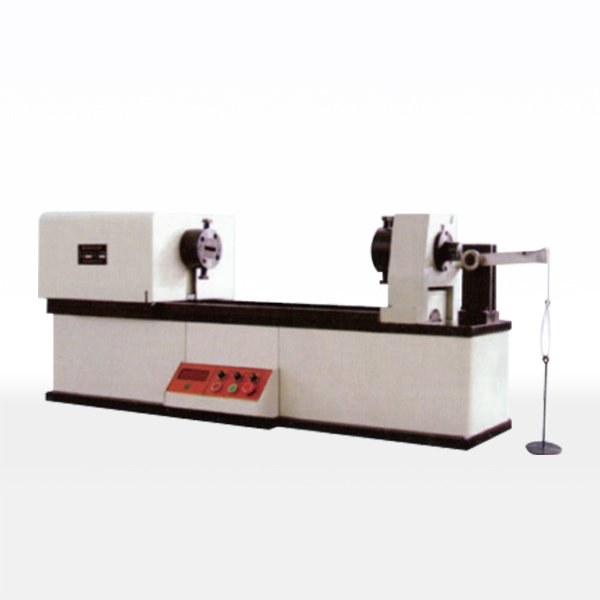
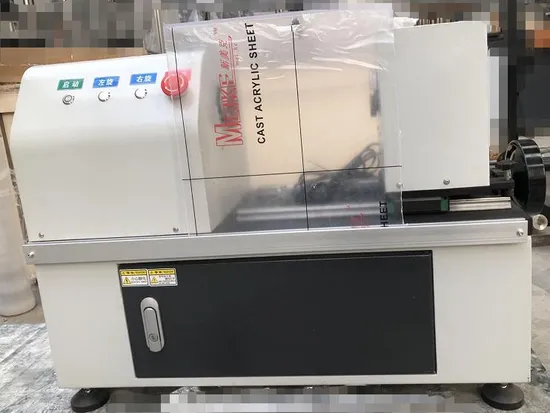
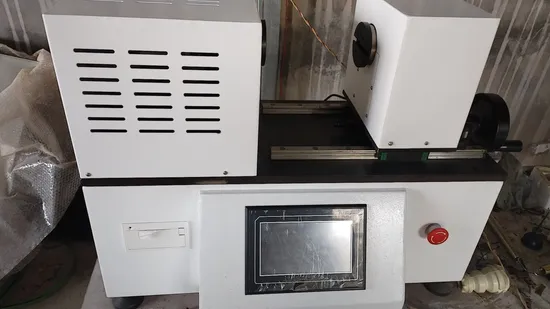
10-100 N.m High Precision Horizontal Torsion Spring Tester, Dynamic Static Torque Testing Machine
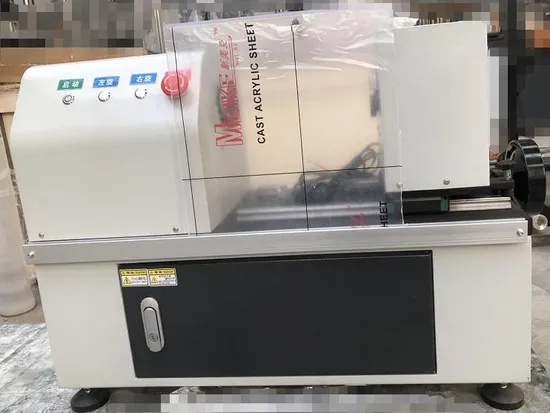
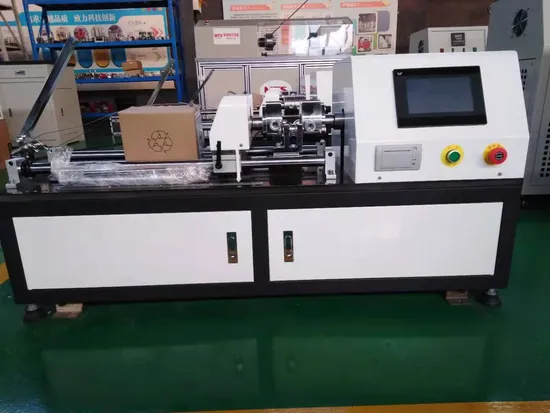
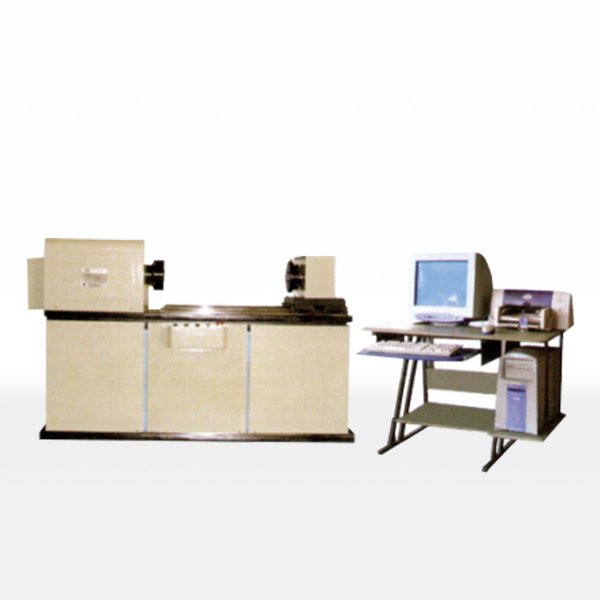
CJD-1000 Computer Controlled Material Auto Torsion Testing Machine 10 Nm ~ 1000 Nm Torsion Tester
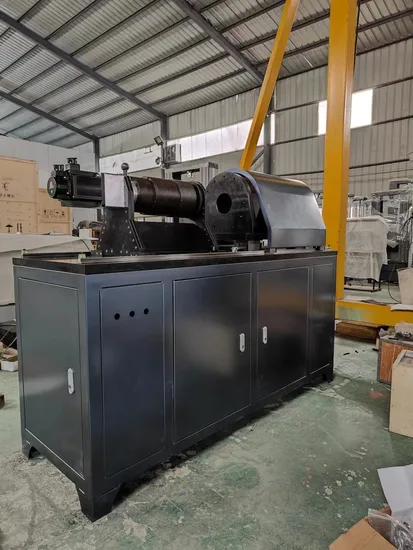
Metal Torsion Testing Machine / Torque Tester / Metal Material Torque Test Ndw-200 Manufacturer Torsion Testing Machine
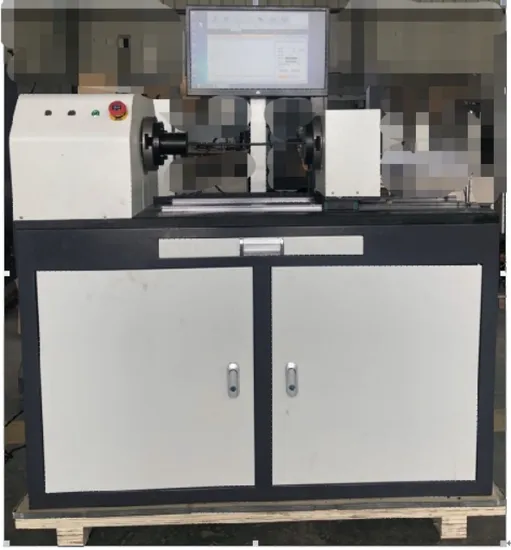
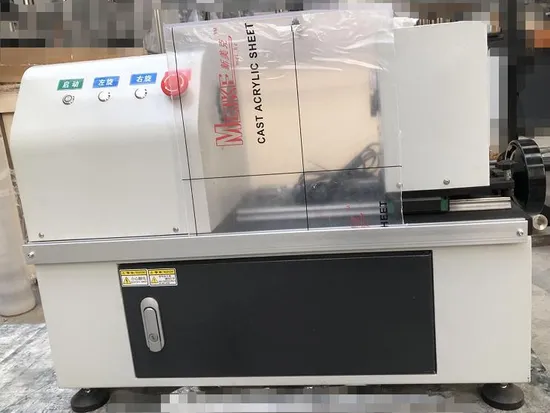
TNS-W100p 100 Nm Technical Solution for Microcomputer-Controlled Torsional Fatigue Tester
Looking for a Specific Model?
Contact us for the full catalog, custom specifications, standards confirmation and factory prices.
Email annie@chenjitester.com • WhatsApp +86 158 5311 1612. Send your sample type and torque requirement for a machine recommendation.
Torsion Testing Specifications
Typical Torsion Testing Specifications
| Maxim torque | 10 N·m up to 1000 N·m (by model, e.g. CJD-1000) |
| Measurement range | 10 N·m (JWD-1000); 10–100 N·m spring tester; 2000 N·mm fatigue tester |
| Resolution | 0.001 N·m |
| Drive / power | Motor drive, 1 kW (JWD-1000), typical range confirmed per spec |
| Orientation | Horizontal (spring) or vertical/microcomputer (metal) frames |
| Control | Touch screen or PC computer control for torque–twist curves |
Applications & Industries
Applications & Industries
Our torsion testers are used to qualify metal wire and bar materials, verify coil and torsion spring characteristics, check bolt and fastener torque behavior, and test automotive shafts and rotating components. They support QC labs, fastener manufacturers, spring makers, wire plants and metal material suppliers.
Torsion Testing FAQ
Torsion Testing FAQ
Q: What is the difference between metal torsion and spring torsion testing?
A: Metal (wire/bar) torsion testing rotates a specimen to its breaking point to measure torsional strength and fracture behavior, typically on vertical microcomputer machines. Spring torsion testing measures torque versus twist angle on a spring itself, often at lower torque (N·mm to N·m) on horizontal touch-screen testers.
Q: How is a wire torsion test performed?
A: The wire is clamped between two grips, twisted at a set speed, and the machine counts revolutions until the specimen fractures while recording torque and angle, so you get both twist count and torque–angle curve.
Q: How do I choose the torque range of a torsion tester?
A: Estimate the peak torque your material or spring reaches during testing, then pick a machine whose maximum is 1.2–4 times that value so the reading stays in the accurate mid-range of the transducer. Tell us your sample type and we will size the machine for you.
Q: Which standards do your torsion testers follow?
A: Machines are built and tested to the applicable metal wire, spring and material torsion test methods; confirm the exact standard (for example wire torsion or spring torque test methods) with our engineers for your application.
Q: Can the machine perform bidirectional (forward and reverse) torsion?
A: Yes — computer-controlled torsion testing machines support forward, reverse and cyclic (fatigue) twisting, which is useful for spring fatigue and load-unload torque testing.
Related Testing Machines & Applications
Explore our full range of material testing machines and find the right solution for your laboratory, factory or research application. Related machine types and application guides:
Torsion Testing Machines: Types, Working Principle & Selection Guide
What is a torsion testing machine?
A torsion testing machine (also called a torque testing machine) is a materials testing system used to measure how a shaft, rod, wire, fastener, tube or structural member behaves when subjected to a twisting load. Torsion is one of the fundamental loading modes in engineering — it is what drives gear shafts, axles, steering columns, torque-tightened bolts and rotating couplings — so understanding torsional strength, torsional rigidity and failure torque is essential for both design and quality control. The machine applies a controlled torque to the specimen, measures the resulting angle of twist and torque value with high resolution, and records the torque-versus-angle curve. From that curve the operator can read key values such as torsional strength, yield torque, modulus of rigidity and the maximum torque the part can withstand. Torsion testers can be manual, semi-automatic or computer-controlled, with computer-controlled (microcomputer) models providing precise rate control, automatic data recording and repeatable results to the test method specified.
How does a torsion testing machine work?
A computer-controlled torsion testing machine clamps one end of the specimen in a fixed head and the other end in a rotating head. A servo or motor-driven transmission applies torque to the rotating head at a controlled rate, while a precision torque sensor measures the applied twisting moment and an encoder tracks the angle of twist. The control software records torque versus twist angle in real time and automatically computes the characteristic values from the curve — for example torsional yield point and ultimate torsional strength. Microcomputer models offer fine control and high measurement resolution over the torque range, which is important for small samples and precision parts where even a small torque step matters. For example, our JWD-1000 microcomputer-controlled torsion testing machine provides a torque measurement range of 10 N·m with a resolution of 0.001 N·m, driven by a 1 kW motor. Like our other testers, it is configured to the ISO, ASTM, DIN or GB method you specify, with the torque capacity, clamping arrangement and measuring range selected for the diameters and materials you test.
What to look for when choosing a torsion testing machine
- Torque range: the maximum torque of the machine should comfortably cover your largest specimen — systems range from small low-torque designs up to high-capacity torsion testers.
- Resolution and accuracy: for precision work look for fine torque resolution (our JWD-1000 offers 0.001 N·m) so small changes in twist are measured reliably.
- Angle measurement: confirm the machine accurately measures angle of twist, since torsional properties depend on both torque and twist.
- Control mode: computer-controlled (microcomputer) models give programmable torque rate, automatic data recording and repeatable testing; manual models suit simple routine checks.
- Clamping and fixtures: grips must hold round shafts, square sections, wires or fasteners without slipping or damaging the specimen during twisting.
- Drive and power: confirm the motor/drive is sized for the torque you need (for example a 1 kW drive on our JWD-1000) and suited to your specimen sizes.
- Test software: software should compute torsional strength, yield torque and rigidity, plot torque-twist curves and export results for your records.
- Applicable standards: ensure the machine is set up for the ISO, ASTM, DIN or GB torsion or torque test method your customers or industry require.
Frequently asked questions
Q1. What kinds of parts can be torsion-tested?
Shafts and axles, rebar and round bars, wires and ropes, bolts and fasteners, tubes and pipes, torsion springs and rotating couplings are all commonly tested for torsional strength and stiffness.
Q2. What does the machine measure?
It measures the applied torque and the corresponding angle of twist of the specimen. From the torque-versus-twist curve the software derives values such as torsional yield point, ultimate torsional strength and torsional rigidity.
Q3. Do you supply software and configure the machine to my standard?
Yes. The machine is delivered with control and analysis software that plots torque-twist curves and exports results, and it is configured to the ISO, ASTM, DIN or GB torsion test method you specify, with the torque range and fixtures matched to your parts.