Impact & Pressure Testing Machines: Charpy, Izod & Compression
CHENJI impact and pressure testing machines cover the full range of mechanical impact and compression verification for metals, plastic pipes, welded joints and castings. From pendulum impact testers (Charpy and Izod) and low/ultra-low temperature automatic impact machines to pipe drop-weight and electro-hydraulic pressure testing machines, our systems deliver reliable results for quality control and material acceptance. ISO 9001-certified since 2014, we build each machine around the standards used in your laboratory, with digital/servo control and engineering support. Email annie@chenjitester.com or WhatsApp +86 158 5311 1612 for a quotation.
Products in This Series
Looking for a Specific Model?
Contact us for the full catalog, custom specifications and factory prices.
Impact & Pressure Testing Machine Specifications
| Model | Type | Key Parameters |
|---|---|---|
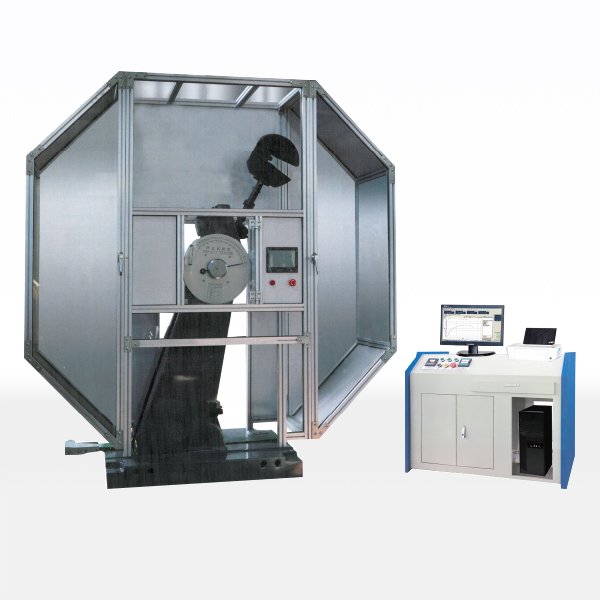
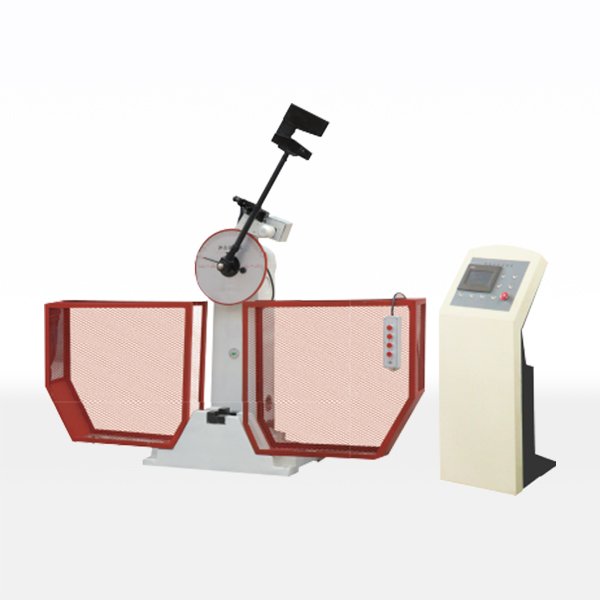
| JB-300B | Pendulum impact tester (Charpy) | Impact energy 0–300 J; pendulum impact speed 5.2 m/s |
| 300/450/500/600/750L | Instrumented impact testing machine | Impact energy — typical range, confirmed per spec |
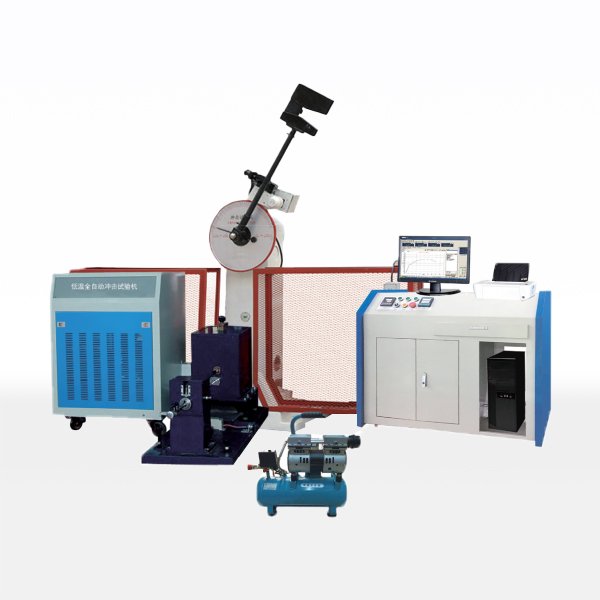
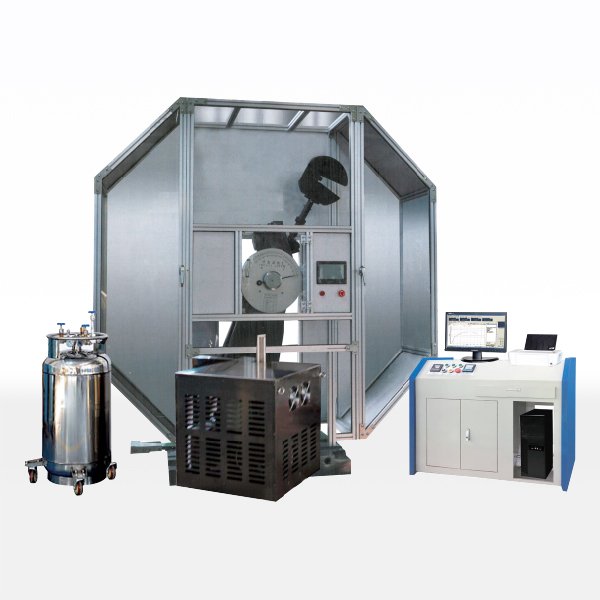
| JB-W / JB-WCDZ | Low / ultra-low temperature automatic impact | Controlled low-temperature chamber for cold impact testing |
| KBLC-450M | Pipe drop-weight impact | Machine weight 280 kg |
| KBLC-630 | Pipe drop-weight impact | Drop height 0–2000 mm; net weight 350 kg |
| KXJL-630M / KXJL-800M | Falling-mass impact tester | Drop height 0–2000 mm; lift speed 12 m/min; net weight 350 kg; 220 VAC |
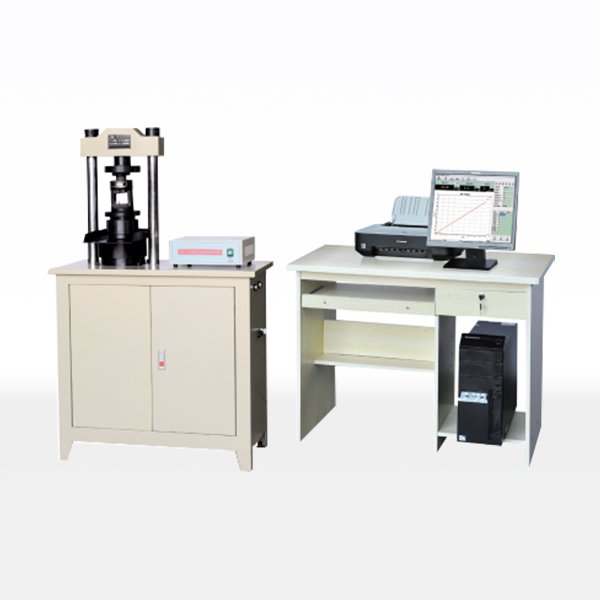
| YAW-300B | Microcomputer pressure testing machine | Compression capacity — typical range, confirmed per spec |
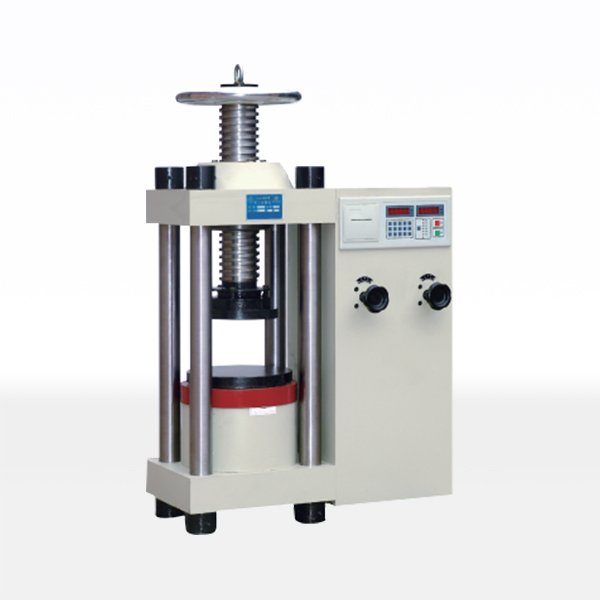
| YES-2000 | Digital electro-hydraulic pressure testing machine | Max load 2000 kN; motor 1.5 kW; stroke 50 mm; platen 240×240 mm |
Applications & Industries
CHENJI impact and pressure testing machines are used across: metals and alloys (Charpy/Izod impact energy), plastic and composite pipes (drop-weight and hydrostatic pressure integrity), welded joints and weldability verification, castings and forgings, building materials (concrete and masonry compression), and fastener assemblies. Every system is supplied with the correct fixtures, anvils and notching tools, plus operator training, so your lab can run standard impact and pressure tests from day one.
Frequently Asked Questions
What is the difference between Izod and Charpy impact testing?
Both measure the impact energy absorbed by a notched specimen when a pendulum or falling hammer breaks it. Charpy specimens are supported horizontally at two points and struck in the middle; Izod specimens are clamped vertically and struck at the top. CHENJI pendulum impact testers can be arranged for either method to suit your laboratory standard.
How is low-temperature impact testing performed?
Low-temperature and ultra-low-temperature automatic impact machines (JB-W / JB-WCDZ series) place specimens in a temperature-controlled chamber before the pendulum releases, so the specimen is tested at the cold temperature specified for your material grade and application.
Which equipment is needed for pressure testing pipes?
Pipe integrity work typically needs a drop-weight (falling-mass) impact tester such as the KBLC or KXJL series for impact resistance, plus a pressure testing machine for compression or hydrostatic verification. CHENJI can supply these machines together with suitable clamps for the pipe diameters you test.
What impact energy ranges are available?
Pendulum impact testers such as the JB-300B cover 0–300 J; pipe drop-weight and falling-mass testers provide drop heights of 0–2000 mm. Exact ranges and energies depend on the model and specimen, and CHENJI will confirm the configuration for your test standard.
What sample preparation is needed for impact testing?
Impact specimens require accurately machined notches, usually made with a dedicated specimen notch broaching machine so that notch depth and geometry are consistent. Correct notching is essential for repeatable, comparable impact energy readings.
Related Testing Machines & Applications
Explore our full range of material testing machines and find the right solution for your laboratory, factory or research application. Related machine types and application guides:
Impact & Pressure Testing Machines: Types, Working Principle & Selection Guide
What is an impact or pressure testing machine?
An impact testing machine and a pressure testing machine are two complementary types of materials testing equipment. An impact testing machine measures how a material or product absorbs and resists a sudden, high-energy blow. Depending on the design it uses either a swinging pendulum (for example a pendulum impact machine) or a falling weight or instrumented drop-weight hammer to strike the specimen, simulating real-world shocks such as a dropped pipeline, a struck bottle or a fractured structural member. A pressure (or compression loading) testing machine applies a controlled compressive force to a material or component — typically a concrete test cube, a cement block, a pipe joint or a structural element — and measures the maximum force the sample can withstand. Both types are widely used in quality control, product certification and materials research, and both are configured to the ISO, ASTM, DIN or GB method you specify for the products you test.
How does an impact or pressure testing machine work?
Impact testing machines store and release energy in a controlled way. A pendulum impact machine lets a weighted striker swing from a known height through the specimen and measures the energy absorbed on the break; our JB-300B pendulum impact testing machine covers energies up to 300 J with a striker speed around 5.2 m/s. A drop-weight impact machine releases a guided hammer from an adjustable height onto the specimen — our FHLC-300Y instrumented drop-weight impact testing machine provides impact energy up to 300 J, works over a temperature range down to about -70 °C, and uses 16-bit data acquisition to capture the force-time history of the blow. Softer and repeated impacts, such as bottle impact testing, are handled by purpose-built units like our CJY-02 bottle impact tester. A pressure testing machine works differently: it uses a hydraulic or screw drive to push a platen against the specimen at a controlled rate while a load cell records the rising force up to failure. Our YES-2000 digital pressure testing machine provides capacity up to 2000 kN with a 50 mm stroke, while the LJZ-500D and LJZ-500W microcomputer models cover 500 kN. Whichever type you choose, the machine is built to the ISO, ASTM, DIN or GB method you specify and configured for the energy, temperature and load range your testing needs.
What to look for when choosing an impact or pressure testing machine
- Test purpose: decide whether you need impact/impact-resistance data, compression loading, or a combination — impact and pressure machines solve different problems.
- Impact energy range: for pendulum machines confirm the striker energy and speed cover your specimens (for example energies to 300 J at about 5.2 m/s), and for drop-weight machines the released energy and drop height.
- Temperature capability: for low-temperature impact testing check the operating range (for example down to about -70 °C on our FHLC-300Y) and whether you need an environmental chamber.
- Data acquisition: instrumented impact testers capture the full force-time curve (our FHLC-300Y uses 16-bit acquisition), which is valuable for fracture analysis, not just pass/fail totals.
- Pressure/load capacity: for compression machines ensure the rated force covers your largest sample — capacities range from 500 kN models up to our YES-2000 at 2000 kN.
- Stroke and platen size: confirm the working stroke and platen dimensions fit the specimen heights and face sizes you test.
- Control and software: computer-controlled models offer programmable loading, automatic result calculation and data export for your reports.
- Applicable standards: ensure the machine is configured for the ISO, ASTM, DIN or GB impact or pressure test method your customers or industry require.
Frequently asked questions
Q1. What products are typically impact-tested?
Metals and structural steels, plastics and composites, pipes and fittings, glass bottles and containers, springs and fasteners are commonly impact-tested to verify toughness and shock resistance under pendulum or drop-weight loading.
Q2. What is the difference between a pendulum and a drop-weight impact machine?
A pendulum impact machine uses a swinging striker and is ideal for standard notch/specimen impact testing. A drop-weight (or instrumented drop-weight) impact machine releases a guided hammer from a set height and is better for studying large components, pipes and full-scale impacts, especially when combined with data acquisition.
Q3. Do you supply the machine configured to my standard and with software?
Yes. Impact and pressure testers are delivered with control and analysis software that calculates results and exports data, and each machine is configured to the ISO, ASTM, DIN or GB test method you require, with the energy, load capacity, temperature range and fixtures matched to your application.