Plastic Material Testing: MFI, DSC, Vicat & Impact Testers
Plastic material testing with CHENJI covers melt flow rate (MFI/MVR), differential scanning calorimetry, Vicat softening point, Izod/Charpy impact and drop weight impact testers — plus hydrostatic burst testing for PE/PP-R/PVC pipes. ISO 9001 certified (626024QH073R1) and in production since 2014, our machines support incoming material inspection, quality control and R&D for raw pellets, pipes, films, sheets and injection-molded parts. Contact annie@chenjitester.com / +86 158 5311 1612 for a tailored setup.
Products in This Series
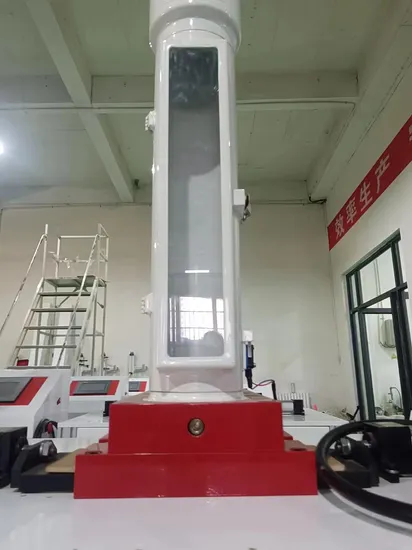
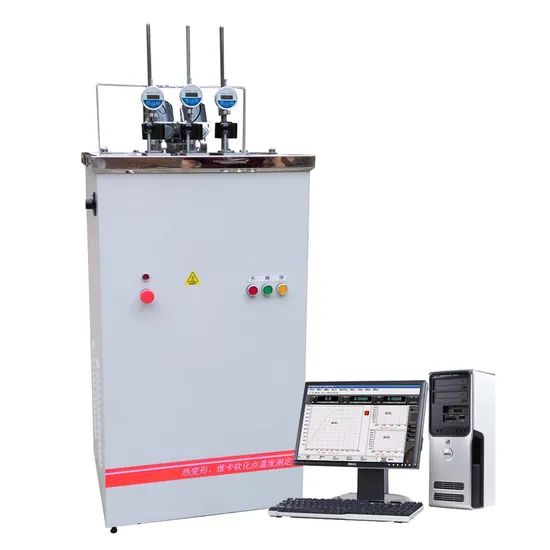
Cxrw-300cl Computer Controlling Heat Deformation Vicat Softening Point Temperature Tester for Plastic Material
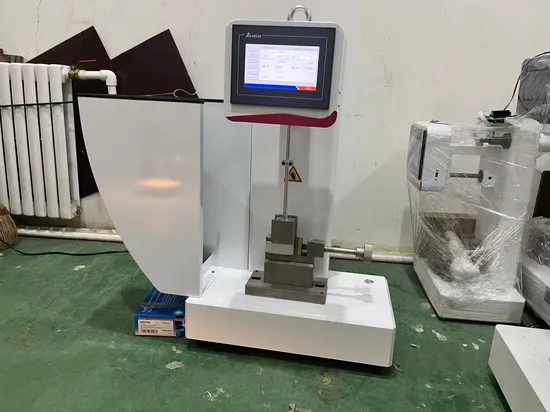
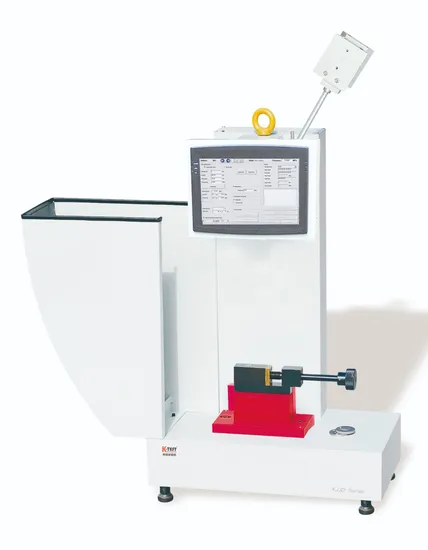
1j, 2.75j, 5.5j, 11j, 22j High Precision Digital Izod / Charpy Combined Impact Testing Machine for Non Metal Impact Toughness Testing
Melt Flow Index (MFI) / MVR Testing
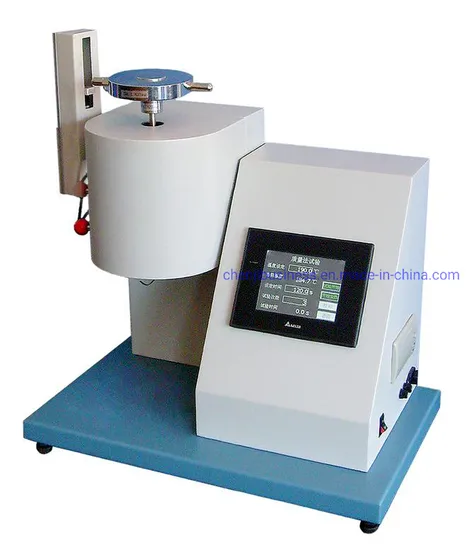
The CXNR-400D melt flow rate meter measures MFI and MVR by the mass and volume method, with a standard test load and timing coverage from 0.1 to 999 seconds and 0.1 s accuracy — ideal for characterizing raw resin pellets and batches before production.
Thermal Properties: DSC & Vicat Softening
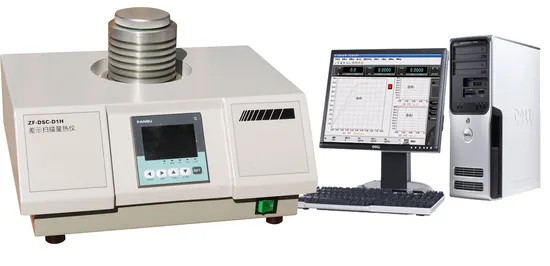
The CDSC-500A differential scanning calorimeter and the CXRW-300CL computer-controlled machine evaluate Vicat softening point and heat deformation temperature — key thermal indicators for thermoplastic grade verification and heat resistance of molded parts (thermal data confirmed per spec).
Mechanical: Izod/Charpy & Drop Weight Impact
The CXJU-22M Izod impact tester and drop weight impact machines (e.g. CJDW-630 for pipes of 10–630 mm diameter) determine impact toughness of plastics, plus universal testing machines with plastic grips for tensile/compression of films and molded specimens.
Plastic Testing Applications & Industries
Plastic raw materials and resin pellets, pipes and fittings (PE, PP-R, PVC), films and sheets, injection-molded and extruded parts, modified and recycled compounds — used for incoming material inspection, factory quality control and material R&D across plastics processing, packaging, construction, automotive and chemicals.
Plastic Material Testing Specifications
| Test Type | Model | Key Parameter | Standard / Notes |
|---|---|---|---|
| Melt flow rate (MFI/MVR) | CXNR-400D | mass & volume method; 0.1–999 s; 0.1 s timing | resin MFI characterization |
| Differential scanning calorimetry | CDSC-500A | thermal analysis (typical, per spec) | melting / crystallization behavior |
| Vicat softening / HDT | CXRW-300CL | computer-controlled thermal point | heat resistance of thermoplastics |
| Izod impact | CXJU-22M | touch-screen; Izod / Charpy | impact toughness of plastics |
| Drop weight impact | CJDW-630 | pipes 10–630 mm diameter | drop weight impact method |
| Pipe hydrostatic burst | CXGJ-10C | PE / PP-R / PVC, 16–1200 mm | pipe pressure rating |
Which plastic tests are essential for a basic QC lab?
A practical incoming/QC setup covers melt flow rate (MFI/MVR) for resin grade, Izod/Charpy impact for toughness, Vicat softening point for heat resistance, and a universal tester for tensile strength — with DSC and drop weight impact added when thermal analysis or pipe testing is required.
How is melt flow rate (MFI) measured?
The CXNR-400D heats a fixed resin charge and pushes it through a standard orifice under a fixed test load, measuring the extruded weight (mass method) or volume (volume method) over time; timing starts from 0.1 s with 0.1 s accuracy.
What can a DSC test tell you about a plastic?
Differential scanning calorimetry identifies melting point, crystallization, glass-transition and thermal stability of a plastic, which helps verify resin grade, detect contamination and set processing temperatures.
Vicat softening point vs heat deflection temperature — which do I need?
Both measure heat resistance of thermoplastics. Vicat softening point tracks the temperature at which a flat needle penetrates the softened surface, while heat deflection temperature (HDT) measures deflection under a bending load — choose by which property your part or specification controls.
Which standards can these machines meet?
Machines are configured to the ISO/ASTM/DIN/GB test method required for your material and market — drop weight impact equipment covers the pipe drop-weight impact method (per ASTM D2444). Company qualification is ISO 9001 certified (626024QH073R1, BV MIC-ASR2451820). Confirm your target standard and we match the configuration.
Looking for a Specific Model?
Email annie@chenjitester.com or WhatsApp / call +86 158 5311 1612 for the full plastic testing catalog, custom specifications and factory prices — we reply within one working day.
Related Testing Machines & Applications
Explore our full range of material testing machines and find the right solution for your laboratory, factory or research application. Related machine types and application guides:
Plastic Testing Machines: Types, Working Principle & Selection Guide
What is a plastic testing machine?
A plastic testing machine is a family of instruments used to measure the mechanical, thermal and flow properties of polymer materials — raw granules, moulded parts, films, sheets, pipes and finished components. Because plastics behave very differently from metals, they need dedicated testers that evaluate melt flow behaviour, impact resistance, thermal deformation, tensile and flexural strength, and long-term performance under load. Common machines include melt flow rate (MFR/MVR) meters that measure how easily a molten polymer flows through a standard die, Izod/Charpy pendulum impact testers that measure toughness, heat deflection and Vicat softening apparatus that check thermal stability, differential scanning calorimeters (DSC) for thermal analysis, and drop-weight or hydrostatic-pressure testers for pipes and containers. Together these instruments let raw-material suppliers, moulders, pipe manufacturers and QC laboratories verify that a polymer batch meets the processing and end-use performance its application requires.
How does a plastic testing machine work?
Each plastic test measures a specific property. A melt flow rate meter heats a fixed mass of the polymer in a heated barrel and forces it through a precisely sized die under a controlled load, recording the amount that extrudes in a set time — a melt flow index (MFI) meter of the XNR-400D type measures extrusion times over a wide range with fine resolution, so processors can confirm consistent flow for injection moulding or extrusion. Impact testers such as an Izod or Charpy pendulum machine strike a notched plastic specimen with a swinging hammer of known energy and report the energy absorbed at fracture, giving a direct toughness value. A universal testing machine based on the XWW-20A frame (around 20 kN capacity) performs tensile, flexural and compression tests on plastics, recording load against extension to derive strength and modulus. Thermal analysers such as a DSC measure the heat absorbed or released as the polymer is heated or cooled, which reveals glass-transition, crystallisation and melting behaviour. Each test is performed according to the ISO, ASTM, DIN or GB method you specify for the material grade and product type.
What to look for when choosing a plastic testing machine
- Property range to cover: decide whether you need flow testing (melt flow rate), mechanical testing (tensile/flexural), impact testing, thermal testing or a combination — most labs start with a melt flow meter plus an impact tester and a small universal tester.
- Melt flow accuracy: a melt flow rate meter should give stable barrel temperature control and fine measurement resolution (an XNR-400D type unit measures across a wide extrusion-time range) so batch-to-batch flow is comparable.
- Force capacity: for plastics, universal testers in the 20 kN class (such as the XWW-20A frame) cover most tensile, flexural and compression requirements; confirm the range suits your thinnest film to thickest section.
- Impact tester type: choose Izod and/or Charpy pendulum configuration according to your product and the method you follow, with the correct notch and hammer geometry.
- Thermal analysis options: if you test heat deflection, Vicat softening or melt/crystallisation behaviour, add the corresponding heat-deflection/Vicat station or a DSC module with controlled heating rates.
- Specimen preparation: plan for sample conditioning, cutting and notching tools so specimens are prepared consistently before testing.
- Data collection and software: look for controllers that record force, displacement, temperature and test time automatically and generate repeatable reports.
- Standards and configuration: the machine should be built and set up to the ISO, ASTM, DIN or GB method you specify, with the correct loads, rates, temperatures and specimen fixtures for your polymer.
Frequently asked questions
Q1. Which plastics can be tested?
Common examples include PE, PP, PVC, ABS, nylon (PA), PET, TPE and other thermoplastics in the form of granules, films, sheets, pipes, moulded parts and finished goods — tested for melt flow, tensile/flexural strength, impact toughness and thermal behaviour.
Q2. What is the difference between melt flow rate and tensile testing?
Melt flow rate measures processing behaviour — how easily the molten polymer flows through a die under a set load — while tensile testing measures the solid material’s mechanical strength and stiffness. Both are important: melt flow confirms consistency for moulding or extrusion, and tensile testing confirms the part can carry the load in service.
Q3. Do you supply software, fixtures and method configuration?
Yes. CHENJI supplies plastic testing machines with control and analysis software, notching and specimen fixtures, and configures the barrel temperature, load, test speed and impact energy to the ISO, ASTM, DIN or GB method you specify for your polymer grade and product.