Electronic Universal Testing Machines: WDW Series Tensile & Compression
CHENJI electronic universal testing machines combine computer-controlled servo drive precision with multi-purpose tensile, compression, bending, shear and peel testing capability. From compact 5 kN single-column units to heavy-duty WDW 300 kN double-column frames, our WDW and ETM series deliver reliable, repeatable results for metals, plastics, rubber, fasteners, springs and packaging. As an ISO 9001 manufacturer since 2014, we engineer each machine to your test standard and application, with factory-direct pricing, installation and training support.
Products in This Series
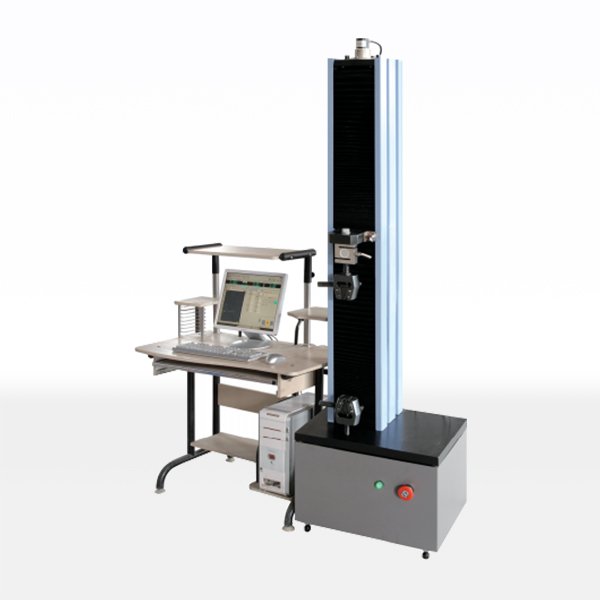
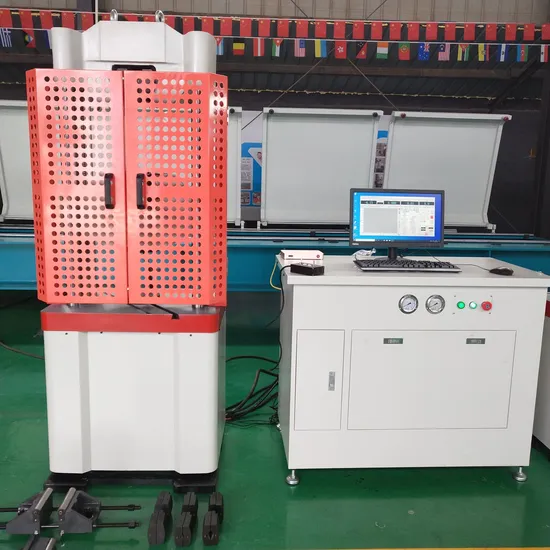
1000kN Electronic Universal Testing Machine Multifunctional Tensile Testing Machine Compression Testing Machine
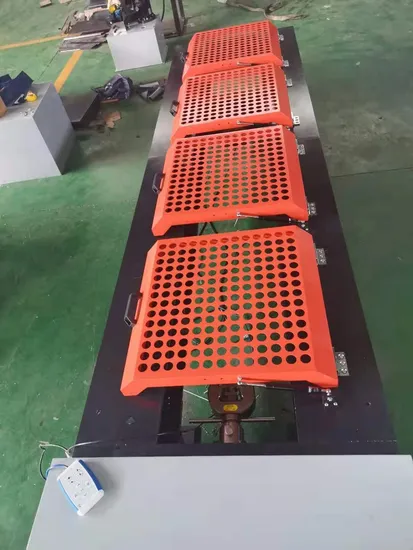
Etm-05 500kN Double Column Computer Control Electronic Universal Tensile Strength Testing Machine
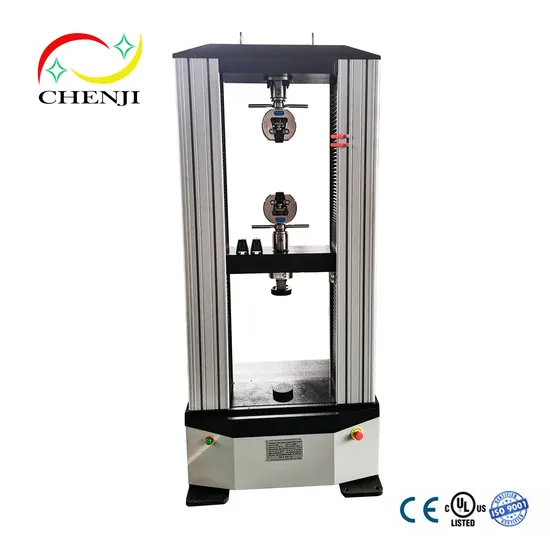
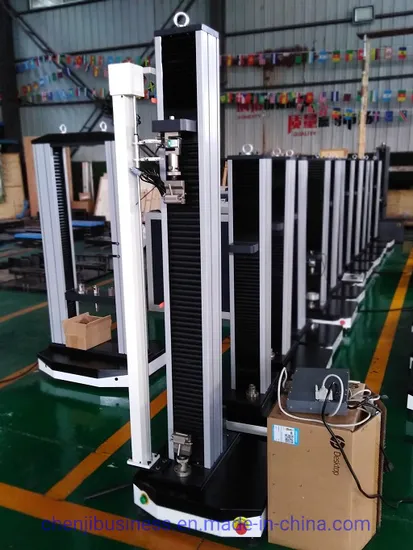
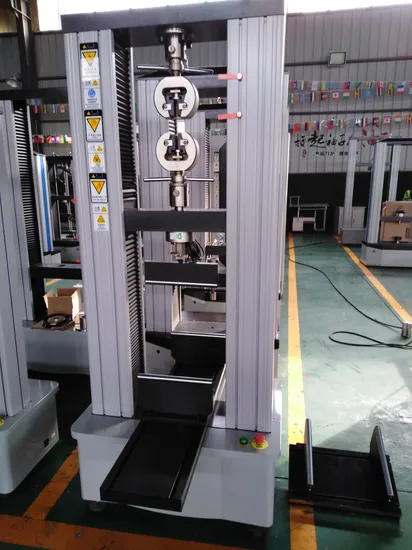
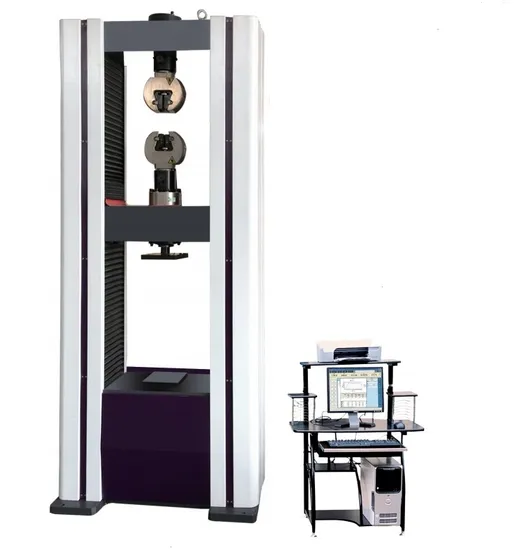
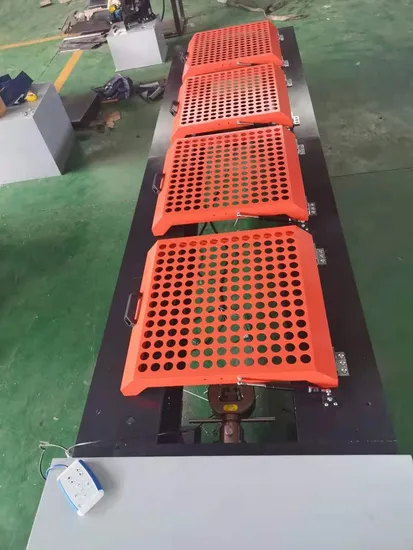
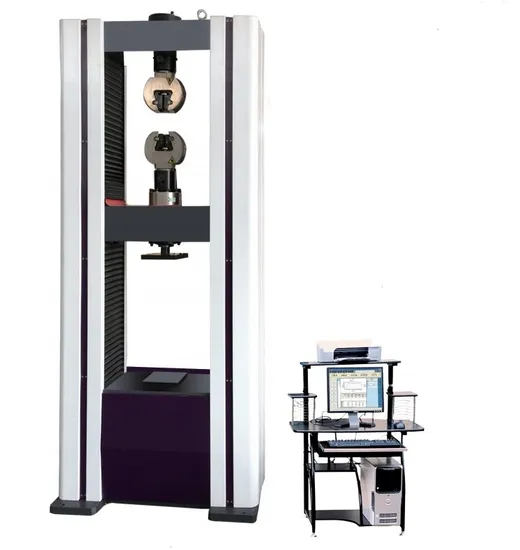
Wdw-100kn 200kn 300kn 500kn Electronic Loading Universal Tensile Strength Testing Machine
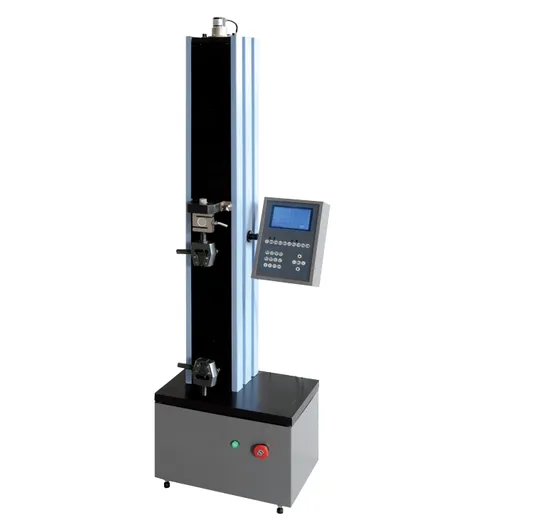
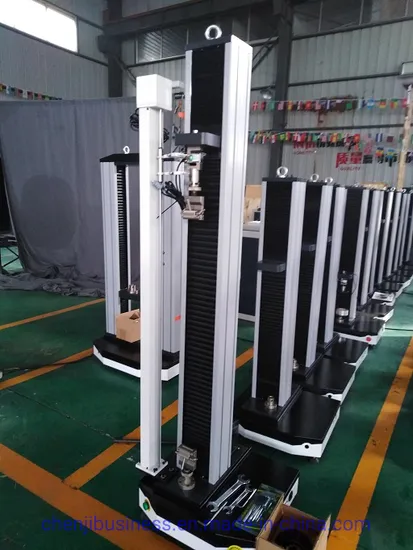
Looking for a Specific Model?
Contact us for the full catalog, custom specifications and factory prices. Email annie@chenjitester.com or WhatsApp +86 158 5311 1612 — we reply within one working day.
Electronic Universal Testing Machine Specifications
| Max Test Force | WDW 5 kN – 300 kN (ETM up to 200-500 kN on request) |
|---|---|
| Accuracy Class | 0.5 class (load & displacement, 0.4–1% range per model) |
| Displacement Resolution | 0.001 mm |
| Test Speed | 0.001–300 mm/min programmable |
| Test Types | Tensile, compression, bending, shear, peel, relaxation |
| Standards | Built to your required ISO / ASTM / DIN / GB test method |
| Frame | Single-column (5–20 kN) and double-column (50–300 kN) |
Applications & Industries
Our electronic universal testing machines are used across metal bars, plates and wires, plastic and rubber components, bolts and fasteners, springs, packaging films, textile and geotextile, and construction materials. Each model supports the grips, fixtures and testing software needed for your specific material and standard.
Frequently Asked Questions
What is the difference between an electronic and a hydraulic universal testing machine?
Electronic (servo-driven) machines give higher speed accuracy and cleaner load control, ideal for 5–300 kN metallic and non-metallic testing with smooth displacement control. Hydraulic machines suit very high force applications such as 1000 kN steel or rebar testing where large hydraulic force is required.
How do I choose the right capacity for my electronic universal testing machine?
As general practice, select a machine so your actual test force falls in the 20–80% range of rated capacity. This keeps measurements in the highest-accuracy zone and protects the load cell from overload. Tell us your material and maximum force and we will recommend the correct model.
Which grips and fixtures does the machine need?
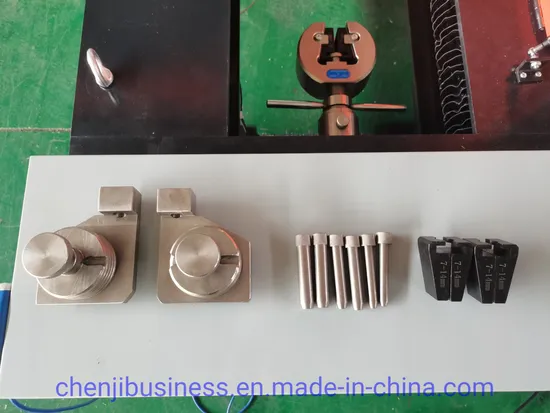
Typical options include wedge grips for round and flat samples, flat jaw grips for plates and films, compression platens, bending fixtures, shear fixtures and peel attachments. The correct set depends on your material shape and test standard — our engineers will confirm the configuration before delivery.
What test standards does a CHENJI electronic universal testing machine comply with?
Machines are configured to the ISO / ASTM / DIN / GB test methods you specify for yield strength, tensile strength, elongation, modulus and other parameters. We confirm compliance with your required standard on each quotation.
What is your lead time, and do you provide installation and training?
Lead time and delivery terms are quoted per model and configuration. We provide installation guidance, operation manuals and training support so your lab team can run tensile, compression and bending tests from day one. Email annie@chenjitester.com for current lead time.
Related Testing Machines & Applications
Explore our full range of material testing machines and find the right solution for your laboratory, factory or research application. Related machine types and application guides:
- Hardness Testers
- Fatigue Testing Machines
- Torsion Testing Machines
- Impact & Pressure Testing Machines
- Metallographic Sample Preparation
- Plastic & Rubber Testing
- Bolt & Fastener Testing
- Metal Testing Solutions
- Spring Testing Solutions
- Automotive Testing Solutions
- UTM Capacity Selector (free tool)
- Request a Quote / Contact us
Electronic Universal Testing Machines: Types, Working Principle & Selection Guide
What is an electronic universal testing machine?
An electronic universal testing machine (UTM) is a computer-controlled materials testing system used to determine the mechanical properties of metals, plastics, rubber, composites and fasteners under tension, compression, bending and shear. Unlike hydraulic force frames, electronic (electromechanical) UTMs drive the crosshead with precision ball screws and servo motors, which gives smoother, more repeatable control and higher accuracy across a wide range of loads and speeds. Electronic testing machines are the standard choice for laboratory-grade tensile, compressive and flexural work because they combine fine force resolution with wide speed control, and they can be configured to run at whatever load capacity the material and the relevant test method require.
How does an electronic universal testing machine work?
A typical computer-controlled electronic universal testing machine consists of a stiff two-column load frame, a ball-screw driven moving crosshead, a precision load cell, an extensometer or displacement transducer, and dedicated test software. The servo motor turns the ball screws to move the crosshead at a set speed; the specimen is held by suitable grips (tensile) or placed between platens (compression/flexure). As the crosshead rises or descends, the load cell measures the force applied and the software records force versus displacement or strain in real time. The machine then calculates key values such as the yield point, tensile strength, elongation and elastic modulus. Electronic models allow fine rate control (for example steady load-rate or crosshead-speed control) and are commonly supplied as machines meeting Grade 1 (Class 1) accuracy, so results are consistent and comparable to the laboratory standard the material is being tested against. Each machine is built to the ISO, ASTM, DIN or GB method you specify, with load capacities, working stroke and clamping arrangements selected for the products to be tested.
What to look for when choosing an electronic universal testing machine
- Load capacity: choose a rated force that covers your largest expected specimen — capacities from a few kN up to 200 kN and beyond are typical.
- Accuracy class: look for Grade 1 (Class 1) accuracy for reliable laboratory-grade results.
- Working stroke / test space: the crosshead travel must accommodate the longest specimen, bend fixture or compression height you need.
- Speed and rate control: for electronic machines, confirm the crosshead speed and load-rate range match the standard test speeds you run (for instance slow, constant-rate tests).
- Test software: software should handle multiple test types (tensile, compression, bending, shear) and export data for your quality or research system.
- Grips and fixtures: ensure wedge grips, flat/round jaw inserts and bend fixtures suit your materials and diameters.
- Applicable standards: confirm the machine is configured for the ISO, ASTM, DIN or GB test method your customers or industry require.
- Frames and columns: a rigid two-column frame with sufficient flexural stiffness keeps results stable at higher loads.
Frequently asked questions
Q1. What materials can an electronic universal testing machine test?
Metals, bars and rebar, plastics, rubber, composites, wires, fasteners, geotextiles and joints are commonly tested in tension, compression or bending, depending on the grips and fixtures fitted.
Q2. What is the difference between an electronic and a hydraulic universal testing machine?
Electronic machines use a servo motor and ball-screw drive for smooth speed control and high accuracy at moderate loads, while hydraulic machines deliver very high forces and are preferred for large-capacity structural testing. Electronic models are ideal for general laboratory and quality-control testing.
Q3. Do you supply software and data export?
Yes. The machine is delivered with dedicated control and analysis software that calculates key mechanical values and can export results for your test reports and records.