Hy-24 Anti-Slip Coefficient Testing Instrument
Bolt & Fastener Testing
Overview
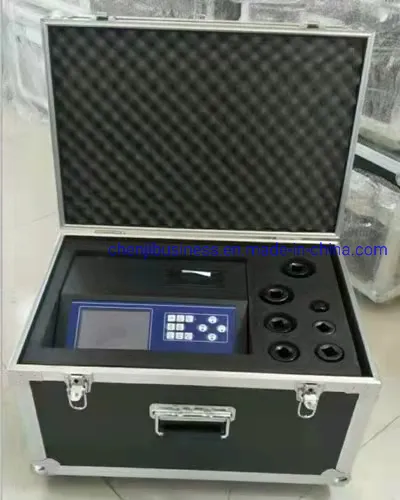
30kN- 400kN HY-24 Anti-slip coefficient testing Instrument
Steel structure high-strength bolt connectors have been widely used in building steel structures and bridge steel structures. The connection quality of each connection point on it is directly related to the quality of the entire project. The quality of the main parameter anti-slip coefficient also directly affects the quality of steel structure engineering. In order to ensure the connection quality of high-strength bolts of steel structures, this paper uses experimental methods to study the factors that affect the anti-slip coefficient of high-strength bolted connections of steel structures based on theoretical analysis, so as to improve and improve the high-strength bolt connections of steel structures. Quality is the key point.
The high-strength bolt connection of steel structure has been developed into one of the main connection forms of steel structure simultaneously with welding. It has the advantages of good stress performance, fatigue resistance, good seismic performance, high connection stiffness, and convenient construction. It is widely used in construction steel. In the engineering connection between structure and bridge steel structure, it has become one of the main means of steel structure installation.
Steel structure high-strength bolt connections can be divided into friction-type connections, friction-pressure-bearing connections, pressure-bearing connections, and tension-type connections according to their stress conditions. Among them, the friction type connection is the basic connection form widely used at present. The main component steel structure high-strength bolts can be divided into two types: large hexagon bolts and torsion shear type bolts. According to the performance level, they can be divided into 8.8 and 10.9. Level, Level 12.9, etc. At present, there are two types of large hexagon head bolts in use in my country, 8.8 and 10.9, and there is only one type of high-strength bolt for torsion shear steel structure 10.9.
Steel structure high-strength bolt connections are generally used for important structures that directly bear dynamic loads. The main feature is to transmit shear force through contact with the friction surface. The connection strength and anti-loose performance are directly related to the quality of the project. In order to ensure the quality of steel structure high-strength bolt connections, the author has conducted experiments on the determination of the anti-slip coefficient of steel structure high-strength bolts for many years. for reference.
1. Function description
The anti-slip coefficient detector can carry out large hexagon head high-strength bolt connection pairs (M16, M20, M22, M24, M27, M30) and torsion shear type high-strength bolt connection pairs (M16, M20, M22, M24, M27, M30) and Anti-slip coefficient detection of sliding plate. There are four physical channels, and there are 24 logical channels in 6 groups. It has parameter backup and recovery functions, automatic calibration function, and peak holding function according to the detection requirements of high-strength bolts.
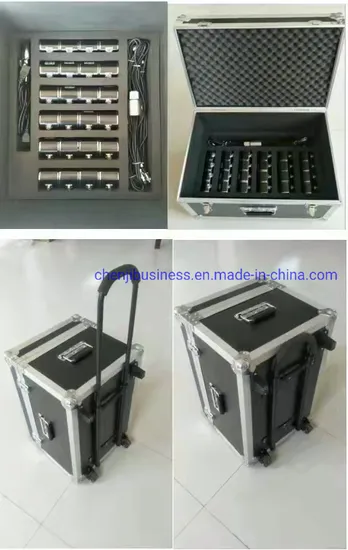
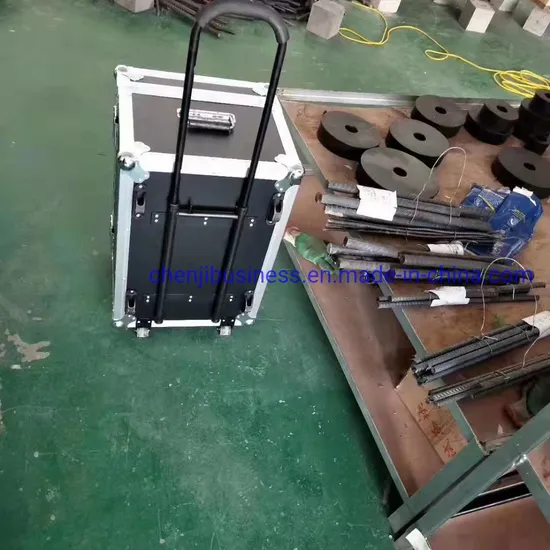
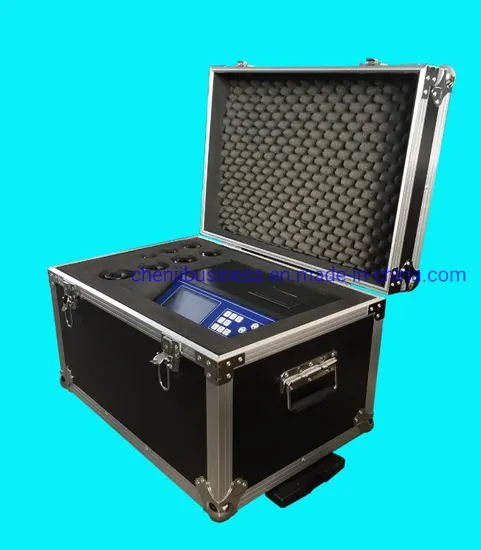
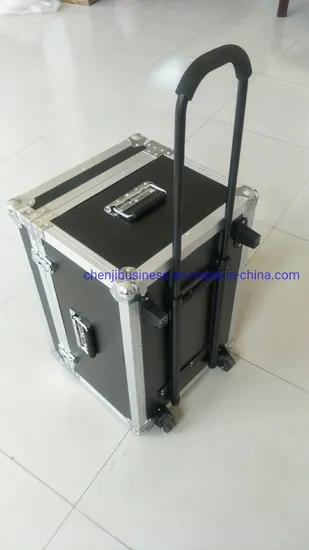
In order to facilitate the user to move the machine, a high-strength tie-rod instrument box is specially customized to ensure the safety and stability of the instrument. It can be connected to the computer with an RS232 interface, which can transmit data to the computer (this function requires a special order), and after further processing, print the test report.
1.Technical Parameter
Measuring range: 30~400kN
Resolution: ±0.1kN
Indication error: ±1.0%
Display mode: LCD display
2.Standard Configuration List
Name Qty Note
HY-24LCD Control Panel 1 set
Load Sensor
120kN 4 PCS Used for M16
180kN 4 PCS Used for M20
220kN 4 PCS Used for M22
260kN 4 PCS Used for M24
330KN 4 PCS Used for M27
400KN 4 PCS Used for M30
3. Specimen and test
(1) Specimen
The test piece is processed by the manufacturer. The test piece and the represented steel structural member should be made of the same material, made in the same batch, using the same friction surface treatment process and having the same surface condition, and should be connected with the same batch of high-strength bolts of the same performance level Vice, stored under the same environmental conditions.
The thickness t1 and t2 of the steel plate of the test piece should be determined according to the thickness of the representative plate in the steel structure engineering. At the same time, it should be considered that the net section of the steel plate of the test piece is always in an elastic state before the friction surface slips. The width b can refer to the value specified in Table 1. L1 should be determined according to the requirements of the universal machine fixture.
The surface of the test piece should be flat, free of oil, and no flash or burr on the edge of the hole and the plate.
Chart 1 Specimen Board Width(mm)
Bolt Diameter d 16 20 22 24 27 30
Board Width b 100 100 105 110 120 120
method
Before the test, first select a high-strength bolt connection pair of sufficient length according to the thickness of the sliding plate and the thickness of the pressure sensor, and then drive the punching nail into the positioning hole of the test piece, and then replace it with a high-strength bolt connection pair equipped with the corresponding sensor or torsion shear high-strength Bolt connection pair. Connect the sensor to the control instrument according to the corresponding serial number. After the instrument is cleared, tighten the nut as required. After the high-strength bolt is tightened, the pre-tension value of each bolt with the sensor should be 0.95P~1.05P. When the force value of the sensor reaches the specified requirement, the control instrument starts to alarm for about 4 seconds. In order to facilitate observation, a straight line for observing slippage should be drawn on the side of the test piece.
Place the assembled test piece on the tensile testing machine. The axis of the test piece should be strictly aligned with the center of the fixture of the testing machine. When loading, 10% of the anti-slip design load value should be added first, and after stopping for 1 minute, then load steadily. The loading speed is 3-5kN/s, until it is pulled to slip, and the slip load is measured.
In the test, when one of the following situations occurs, the corresponding load can be determined as the slip load of the test piece.
a) Needle back phenomenon occurs in the testing machine;
b) The line drawing on the side of the specimen is misaligned;
c) The force value suddenly decays;
d) Sudden “bang” noise occurs on the test piece.
The anti-slip coefficient should be calculated according to the actual measured value of the slip load and bolt pretension P measured in the test, and it should be calculated by the following formula, and should take two significant digits after the decimal point.
In Above:– Slip load measured by test(kN):
–Number of friction surfaces, take=2;
–The sum of the actual measured values of the pre-tension of the high-strength bolts on the sliding side of the specimen (or the average value of the pre-tension of the bolt connections of the same batch) (take three significant figures)(kN):
— Number of bolts on one side of test piece,take =2.
4. Factors affecting the anti-slip coefficient of the friction surface of the steel structure high-strength bolt
4.1 The influence of high-strength bolt connection of steel structure.
4.1.1 Factors of torque coefficient (or tightening axial force): Torque coefficient (or tightening axial force) is one of the main parameters for testing of high-strength bolt connections in steel structures, and its value has always affected the height of steel structures. The measured value of the anti-slip coefficient of the strength bolt is the main factor affecting it. The anti-slip coefficient can be determined only on the ba
More Photos