Bolt & Fastener Testing Machines: Torque, Preload & Friction
Bolt & fastener testing machines from CHENJI measure torque coefficient, axial force (preload) and friction coefficient to verify the tightening reliability of high-strength bolts and fasteners. Our range covers torque coefficient and axial-force (preload) testers for M12–M36, friction and anti-slip coefficient instruments for M10–M20, fastener torsion and torque–clamp force testers per ISO 16047, and fully automatic horizontal bolt testing benches. Certified ISO 9001 (626024QH073R1), since 2014. Contact annie@chenjitester.com for a tailored recommendation.
ISO 16047 covers torque/clamp force testing of fasteners; ASTM F606 covers structural fastener testing. Force measurement is verified to ISO 7500-1 (ASTM E4 equivalent); load cells are commonly class 0.5 or class 1 (±0.5 % / ±1 %) with 12-month calibration certificates.
1. Torque Coefficient & Axial Force (Preload) Measurement
Computer-controlled high-strength bolt testers (JW-/NC-500 series, 20–500 kN) measure the torque coefficient K and clamp force (axial force / preload) of M12–M36 high-strength bolts. They record the torque–axial force curve, report K value and preload scatter, and validate the torque–tension relationship per ISO 16047. Used for steel-structure bolts, automotive fasteners, bridge and wind-tower bolted joints.
2. Friction Coefficient & Anti-Slip Coefficient
Friction coefficient testers (M10–M20) and anti-slip coefficient instruments (HY-24L, max test force 400 kN) determine thread and bearing-face friction and the anti-slip (slip resistance) coefficient of frictional high-strength bolt connections. These data set reliable preload and guard against joint slippage in steel structures, bridges and tower cranes.
3. Fastener Torsion & Torque–Clamp Force (ISO 16047)
For fastener testing, CHENJI supplies torsion and torque–clamp force testers that measure tightening torque, clamp (axial) force and friction, in line with ISO 16047. Suitable for bolts, nuts and threaded fasteners, and for fastener plants and quality-inspection laboratories.
4. Fully Automatic Horizontal Bolt Testing Bench
Fully automatic horizontal high-strength bolt testers (JWL-30, load 15–300 kN, accuracy 1%) automate tightening, loosening, anti-slip and repeated-torque tests, improving throughput and repeatability in high-volume fastener quality-control lines.
Bolt & Fastener Testing Machine Specifications
| Model | Capacity / Range | Accuracy / Speed | Application |
|---|---|---|---|
| JW-500PE / NC-500PE | 20–500 kN | Resolution 0.5%, 50 Hz | High-strength bolt torque coefficient & clamp (axial) force |
| JWL-30 | Load 15–300 kN | Accuracy 1%, 1–4 rpm, stroke 1000 mm, 4 kW | Anti-slip / anti-slip tightening of high-strength bolts |
| HY-24L | Max test force 400 kN | Measuring range 20 kN | Anti-slip (slip resistance) coefficient |
| NZA-250 | Power 2 kW | — | Multi-function bolt tightening analysis system |
| M10–M20 / M12–M36 testers | per bolt size | per spec | Friction & torque coefficient, torsion, axial force |
Products in This Series
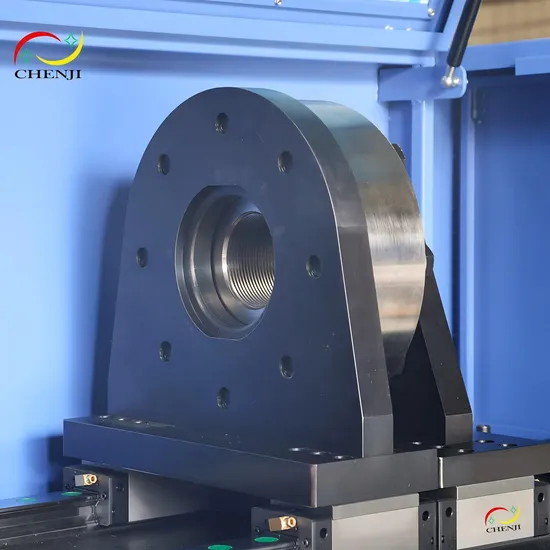
500nm 1000nm 2000nm Computerized Automatic High Strength Bolt Torsion Tester Torque Coefficient Tester
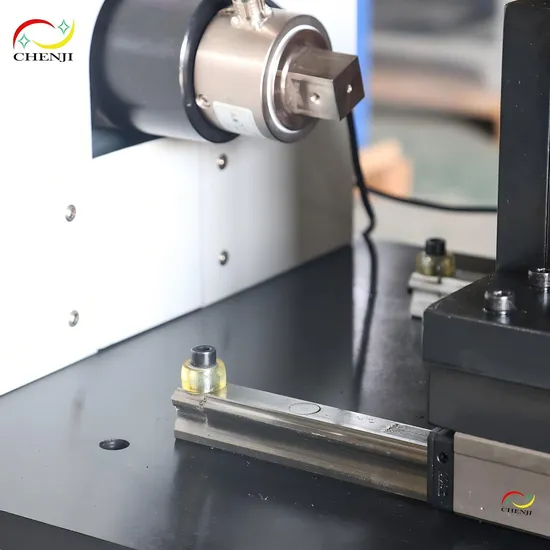
Fully Auto High Strength Bolt Testing Machine for Axial Force & Torque Coefficient ISO16047 for Fastener Bolt Nut
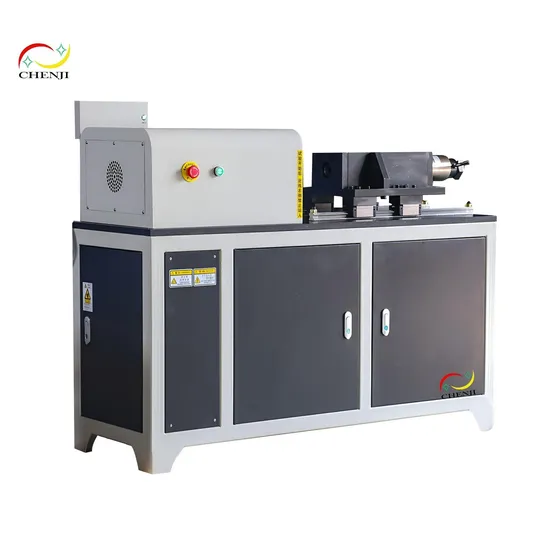
High-Precision Fully Automatic Bolt Tester for Measuring Torque Coefficient, Friction Coefficient, and Axial Force of High-Strength Bolts.
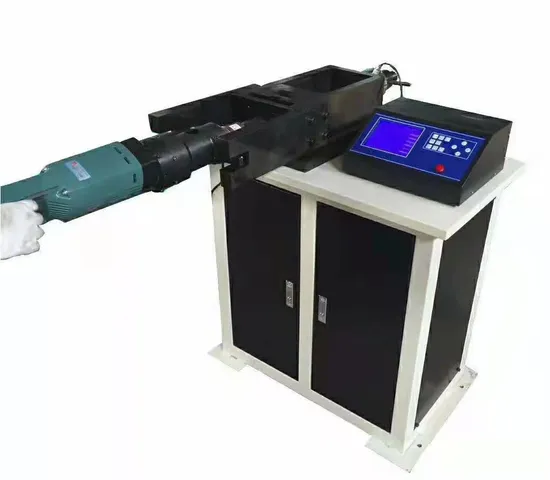
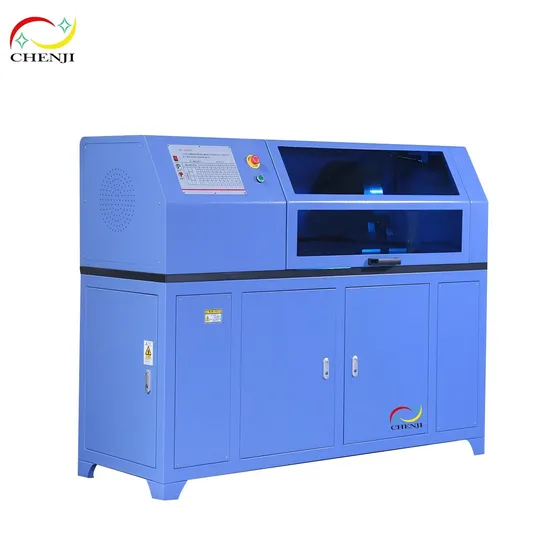
Fully Automatic Horizontal High Strength Bolt Tester for Axial Force, Torque and Torque Coefficient Measurement Steel Structures
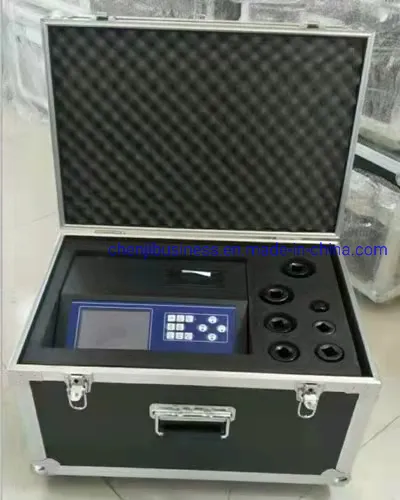
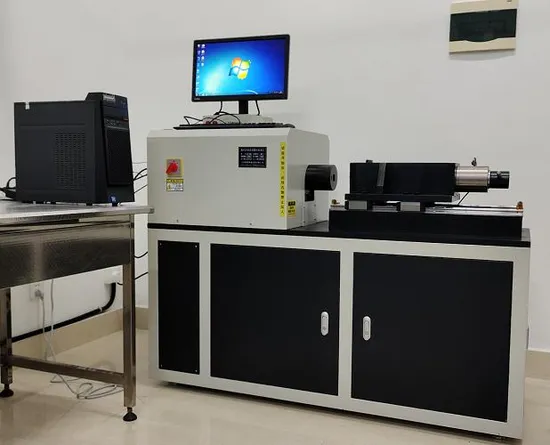
Torsion Strength Testing Machine ISO16047 Fasteners Torque Clamp Force Testing Machine 1000-2000nm
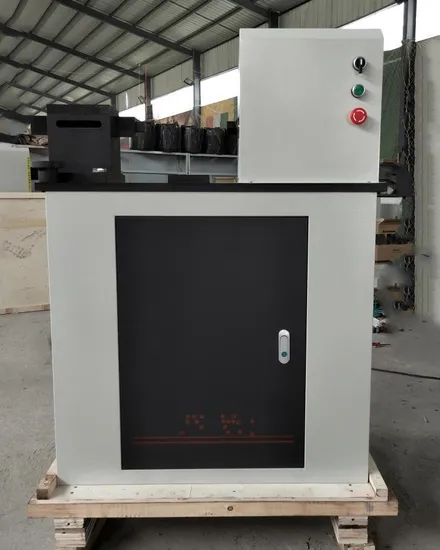
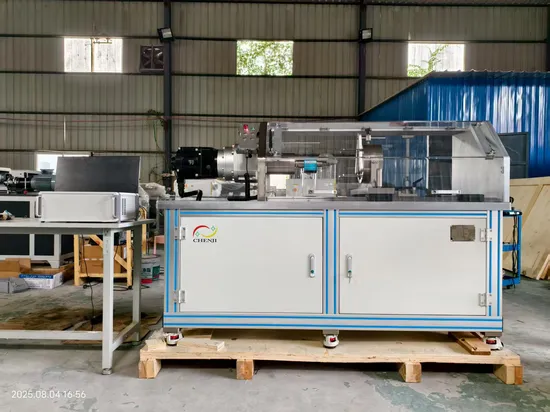
M10-M20 Bolt Friction Coefficient Tester Bolt Testing Equipment High-Strength Bolt Tester Intelligent Detection of Torque/Axial Force/Friction Coefficient
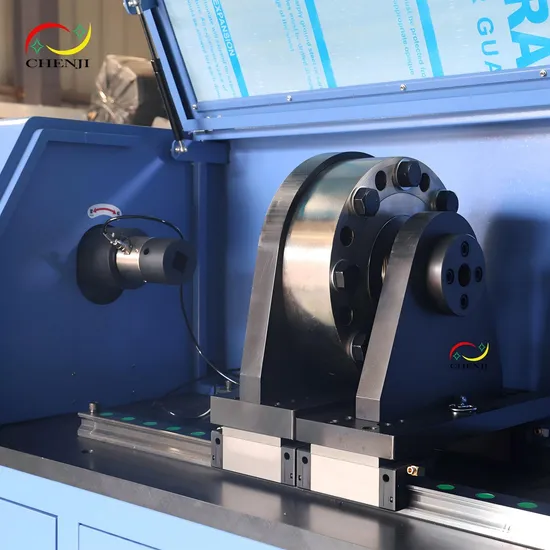
Computer Control M12-M36 High Strength Bolt Torque Coefficient Tester Testing Machine Bolt Friction Coefficient Testing Machine
Looking for a Specific Model?
Contact us for the full catalog, custom specifications and factory prices.
Application Scenarios
High-strength bolts and fasteners carry critical loads in steel structures, bridges, wind power installations and automotive assembly. Verifying torque coefficient, friction coefficient, axial force and anti-slip behavior ensures that bolted joints are tightened correctly and will not loosen or fail under service loads. Our bolt and fastener testing machines support these quality checks in production and on-site.
- Steel structures — web-frame buildings and high-rise steel structures where bolt torque coefficient and clamping force must be controlled.
- Bridges — high-strength bolted connections that must maintain preload under fatigue and dynamic loading.
- Wind power — tower and blade bolts that need verified axial force and torque coefficient for reliable long-term performance.
- Automotive assembly — fastener joints where torque-axial force relationships and friction coefficients affect joint quality and safety.
Frequently Asked Questions
Which standard governs bolt torque/clamp force testing?
ISO 16047 specifies the torque/clamp force test method for fasteners (torque coefficient and friction coefficients); ASTM F606 covers structural fastener testing.
What bolt size and force range do you cover?
We offer M10–M20 and M12–M36 configurations; the JW-500PE / NC-500PE bolt tension testers cover 20–500 kN, and torque capacities include 500 N·m, 1000 N·m and 2000 N·m models.
How accurate are the bolt testers?
The JW-500PE / NC-500PE series give about 0.5 % load resolution, and the JWL-30 anti-slip tester is rated at 1 % accuracy.
Do you have a fully automatic tester for high-volume lines?
Yes — the JWL-30 automates tightening, loosening, anti-slip and repeated-torque tests at 1–4 rpm with a 1000 mm stroke and a 4 kW drive.
Can you test anti-slip (slip resistance) coefficient?
Yes — the HY-24L anti-slip coefficient instrument has a maximum test force of 400 kN for frictional high-strength bolt connections.
What about calibration and traceability?
Force measurement follows ISO 7500-1 / ASTM E4; load cells are typically class 0.5 or class 1 with 12-month calibration certificates, and the software records the full torque–axial force curve and reports K value and preload scatter.
What is the MOQ and lead time?
Bolt testers are built to order — MOQ is one unit, lead time depends on configuration. Send your bolt grade and size and we reply with a recommendation.
Do you export, and what certifications do you hold?
CHENJI is ISO 9001 certified (626024QH073R1), has manufactured since 2014, and has served 1,000+ customers in 27 countries.
Looking for a Specific Bolt Tester?
Contact us for the full catalog, custom specifications and factory prices for bolt and fastener testing machines.
Related Testing Machines & Applications
Explore our full range of material testing machines and find the right solution for your laboratory, factory or research application. Related machine types and application guides:
Bolt and Fastener Testing Machines: Types, Working Principle & Selection Guide
What is a bolt and fastener testing machine?
A bolt and fastener testing machine is a specialized testing system used to verify the mechanical performance of bolts, screws, studs, nuts and high-strength fasteners under load. Fasteners are among the most safety-critical components in steel structures, machinery and automotive assemblies, so they must be tested for tensile strength, proof load, yield behaviour, preload and tightening performance. Common machines include high-strength bolt tension testers that apply a controlled axial force to measure load capacity and elongation, anti-slip coefficient and torque-coefficient testers for structural bolted joints, bolt torque testers that measure tightening torque and friction behaviour, and bending/tension rigs that evaluate fastener ductility. These machines help fastener makers, steel-structure contractors and quality laboratories confirm that every batch meets the required strength and tightening behaviour, preventing loosening, overloading and premature failure in service.
How does a bolt and fastener testing machine work?
A bolt testing machine holds the fastener between suitable grips or fixtures and applies a controlled axial load through a hydraulic or screw drive, while measuring force, elongation and load-time data. High-strength bolt tension testers such as the JW-500PE / NC-500PE series are built for tension testing bolts in the 20–500 kN range with a load measurement resolution of about 0.5%, recording the full load-elongation curve so proof load and break load can be verified. Anti-slip and torque-coefficient testers such as the HY-24L unit apply a test force up to about 400 kN to simulate the preload in a structural bolted joint and measure the friction behaviour, while a torque tester such as the JWL-30 applies tightening torque to measure the torque-tension (nut factor) relationship with controlled accuracy. For torque measurement, computerized torque testers of the JWD-1000 type measure torque over a wide range with fine resolution (about 0.001 N·m) and a 1 kW drive, so tightening behaviour is quantified precisely. Every test is run according to the ISO, ASTM, DIN or GB method you specify for the fastener grade and application.
What to look for when choosing a bolt and fastener testing machine
- Force capacity: your largest bolt or preload value must stay within the machine’s rated range — bolt tension testers commonly cover 20–500 kN, and anti-slip testers up to about 400 kN.
- Load accuracy and resolution: look for precise force measurement (for example about 0.5% resolution on high-strength bolt tension testers) so results are repeatable and traceable.
- Test type to cover: decide whether you need axial tension (tensile/proof load), anti-slip or torque-coefficient testing, or tightening torque measurement — these are usually separate machines or fixtures.
- Torque measurement: if you test tightening behaviour, choose a torque tester with fine torque resolution (about 0.001 N·m in computerized units) and adequate drive power (about 1 kW) for your fastener sizes.
- Grip and fixture design: grips must suit your bolt diameters, lengths and head/nut types and hold the part securely without slipping during load.
- Stroke and specimen size: confirm the grip opening and working stroke accommodate your longest bolt and required elongation before breakage.
- Data recording and software: the controller should capture load, elongation, torque and time automatically and plot the curves needed for proof-load and break verification.
- Standards and configuration: the machine should be built and set up to the ISO, ASTM, DIN or GB method you specify, with correct fixtures, rates and preload simulation for your fastener grade.