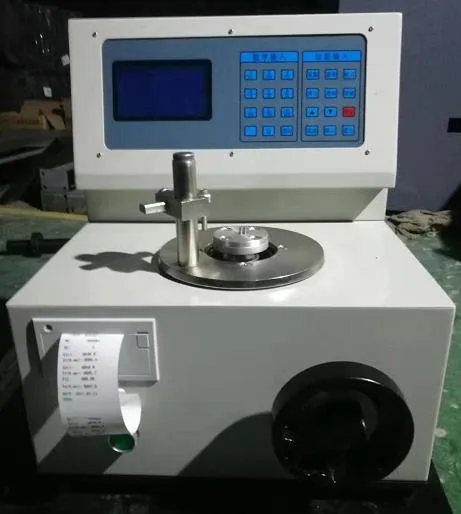
Tns-S2000 Automatic Type Spring Tortion Testing Machine
Torsion Testing Machines
Overview
What the TNS-S2000 Does on Your Production Floor
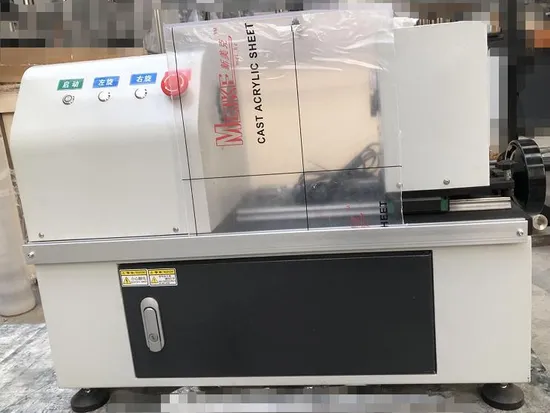
The TNS-S2000 Automatic Type Spring Torsion Testing Machine (also referenced as TPJ-S2000 in product literature) is built for shops that must prove torsion life before springs ship. CHENJI — Jinan Chenji International Trade Co., Ltd., material testing machines since 2014 — supplies this touchscreen torsion tester for static torque, torsion angle, and stiffness checks, plus high-frequency durability runs when your spring program demands large-angle fatigue data.
Unlike a general catalog page, this note focuses on how the TNS-S2000 fits valve springs, clutch springs, and custom elastic parts where angle and frequency must track real service conditions.
Spring Types and Test Scenarios
The machine is specifically designed for springs requiring large-angle, high-frequency durability fatigue testing. Typical jobs include:
- Automotive and appliance springs — verify angle-to-torque repeatability before batch release
- Industrial valve and clip springs — static stiffness at defined angles, then stepped fatigue
- Other elastic components — by changing fixtures, torsion of non-coil elastic parts is supported
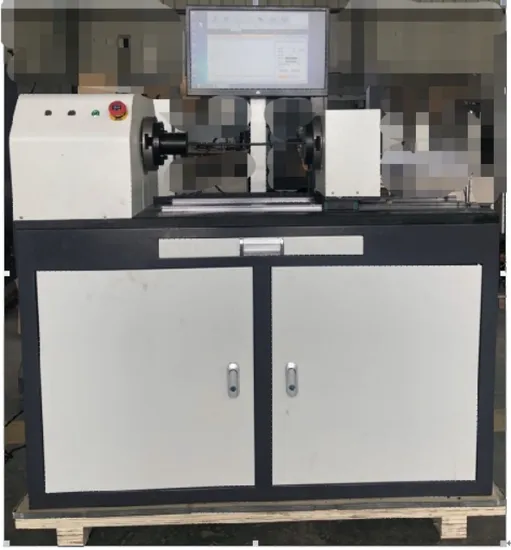
The Panasonic AC servo motor loading path, ABBA guiding system, and servo planetary gearbox keep reciprocating rotation stable when amplitude and frequency are adjusted to each spring’s technical requirements.
Key Specifications — TNS-S2000 / TPJ-S2000
| Item | Parameter |
|---|---|
| Maximum loading torque | 2000N.mm / 2000 N·mm |
| Maximum test space | 160mm |
| Torque accuracy | ±1% |
| Torque resolution | 0.1Nmm |
| Angle resolution | 0.01° |
| Counting stop accuracy | ±1 |
| Maximum outer diameter of specimen | φ200 |
| Test fixture | Designed according to experimental requirements |
| Power supply | 220VAC 50Hz (three-wire four-phase) |
| Total power | 1kW |
| Electrical quality | GB/T2611-2006 General Technical Requirements for Testing Machines |
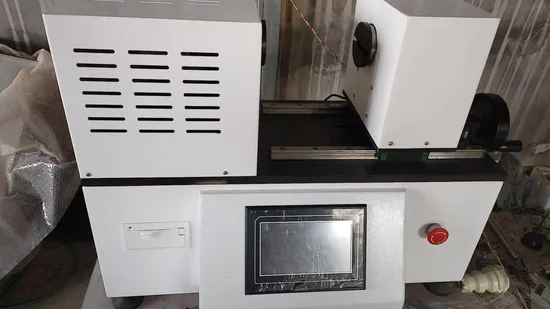
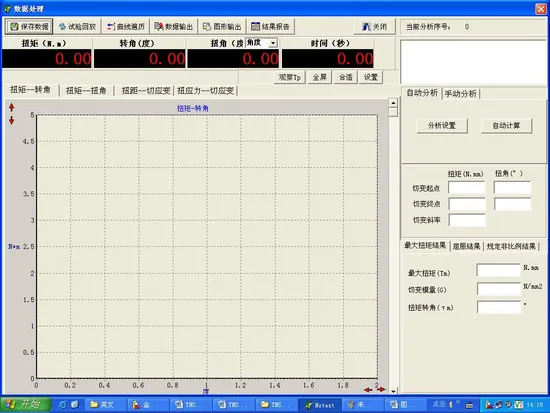
Touchscreen functions include torque at fixed angle, angle at fixed torque, real-time curves, automatic return-to-center, mini-printer output, and overcurrent, overvoltage, and overload protection.
Fixture Planning and Sample Preparation
Fatigue credibility starts at the fixture. The test fixture designed according to experimental requirements must:
- Center the spring axis with the loading spindle to avoid side load on the 2000N.mm torque cell path
- Match outer diameter — specimens up to φ200 need adequate clearance in the 160mm test space
- Document angle setpoints before high-frequency runs; frequency can be adjusted per spring spec on the control cabinet
The main unit — base, loading mechanism, and fixture on a single steel-plate base — gives the rigidity needed for repeatable ±1% torque indication during long count-limited cycles.
When to Choose Static vs Fatigue on TNS-S2000
- Static torque / angle / stiffness — first article or engineering sign-off
- Fatigue with count limit and frequency adjustment — production qualification where GB/T2611-2006 electrical compliance and ±1 counting stop accuracy matter for audit trails
Configuration includes independently designed main frame, Panasonic servo motors, ABBA guides, touchscreen display OS, and reducer — plus manual, certificate, and packing list.
Frequently Asked Questions
Can one TNS-S2000 cover multiple spring sizes?
Yes, within φ200 OD and 160mm space, provided fixtures are swapped and angle/frequency are re-set per drawing.
Does the touchscreen store curves?
Software displays torque, torsion angle, and curves in real time; mini-printer supports hard-copy torque/angle records.
What standards apply?
Electrical equipment quality aligns with GB/T2611-2006. For factory-direct quotes and application review, contact annie@chenjitester.com or +86 158 5311 1612.
Warranty?
One-year warranty from formal delivery with free parts replacement for non-human damage during the warranty period; lifetime maintenance support available outside warranty.
Technical Specifications
| NO. | Name Technical Parameter |
| 1 | Maximum loading torque 2000N.mm |
| 2 | Maximum test space 160mm |
| 3 | Torque accuracy ±1% |
| 4 | Torque resolution 0.1Nmm |
| 5 | Angle resolution 0.01° |
| 6 | Counting stop accuracy ±1 |
| 7 | Maximum outer diameter of specimen φ200 |
| 8 | Test fixture Designed according to experimental requirements |
| 9 | Power supply voltage (three-wire four-phase) 220VAC 50Hz |
| 10 | Total power 1kW |
| 11 | Electrical equipment quality of the testing machine It should comply with GB/T2611-2006 “General Technical Requirements for Testing Machines” |
| NO. | Item Name Spec. Qty |
| 1 | Main frame Independently designed 1 set |
| 2 | Loading motor Panasonic servo motors 1 set |
| 3 | Guiding system ABBA 2 sets |
| 4 | Control system Independently designed 1 set |
| 5 | Display operating system touchscreen 1 set |
| 6 | Gear reducer servo planetary gearbox 1 set |
More Photos