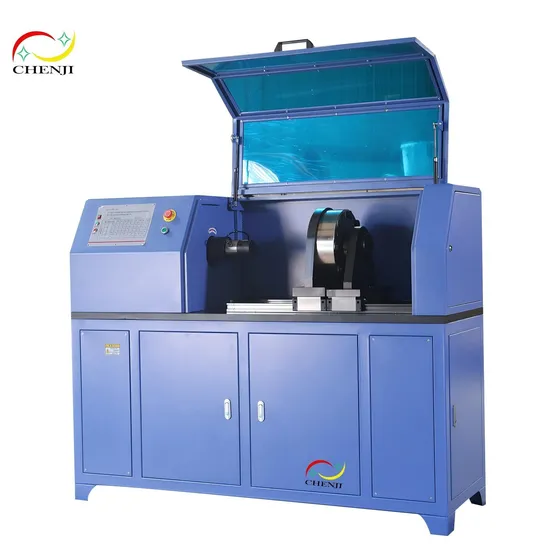
Computer Control M12-M36 High Strength Bolt Torque Coefficient Tester Testing Machine Bolt Friction Coefficient Testing Machine
Bolt & Fastener Testing
Overview
Standards-Based Fastener Analysis — M12 to M36
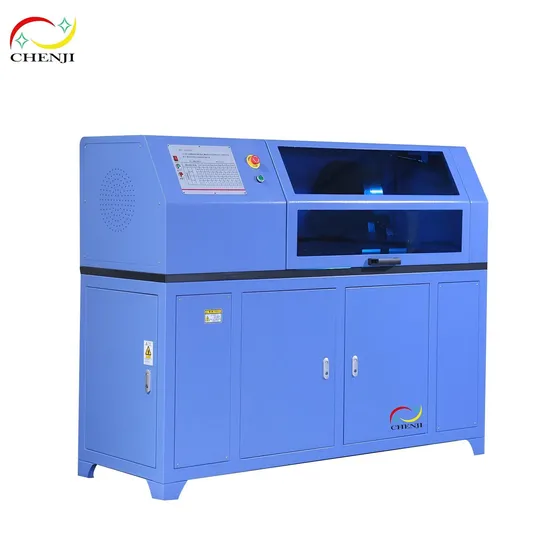
The Computer Control M12-M36 High Strength Bolt Torque Coefficient Tester — NCMC-2000SE microcomputer-controlled fully automatic thread analysis and testing system — maps directly to ISO16047, ISO2320-2008, GB/T16823, GB/T 3098.9-2010, GB/T16823.3-2010, ISO 2320, ISO 261, and GB/T228.1-2010 controller design requirements.
Developed under Fastener Industry Association commission, NCMC-2000SE data are recognized by metrology agencies, testing agencies, and bolt manufacturers — breaking reliance on imported equipment through in-house software, measurement, and hardware.
What NCMC-2000SE Measures
One floor-standing cabinet (human-factors layout) covers:
- Axial force (clamping force), total torque, preload
- Thread torque, support surface torque
- Total / thread / support surface friction coefficient
- K coefficient, yield limit torque and axial force
- Breaking torque axial force, tightening angle
Tests include equal-rate loading, equal-rate torsion angle, sectional torque and angle control with smooth mode switching. Real-time curves and printable reports on PC.
Equipment Parameters — M12-M36 Range
| Parameter | Value |
|---|---|
| Total tightening torque | 2000N.m / 2000Nm |
| Axial clamping force | 350KN |
| Thread torque | 1000N.M / 1000Nm |
| Torque measurement accuracy | ±1% |
| Torsion angle resolution | 0.001° |
| Torsion angle accuracy | ±1% |
| Loading speed | 0 ~ 1500°/min |
| Clamping load accuracy | ±1% |
| Data acquisition rate | >1KHZ/S |
| Sample test space | 800mm |
| Power | 2.5KW, 380V/50Hz three-phase |
| Weight | about 1500kg |
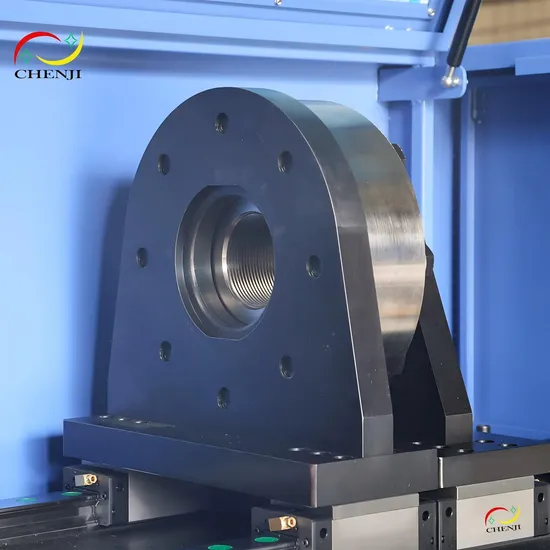
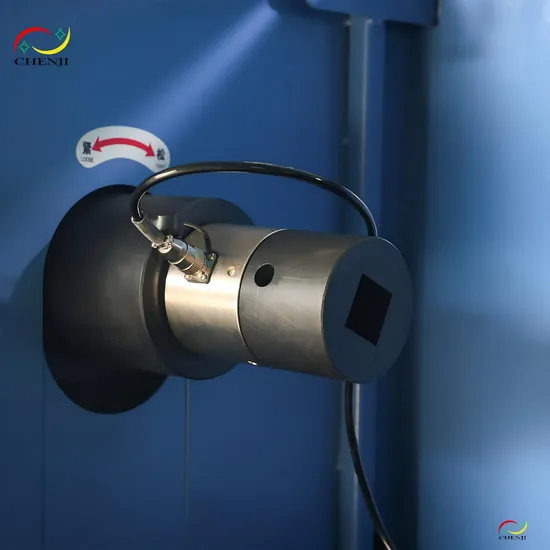
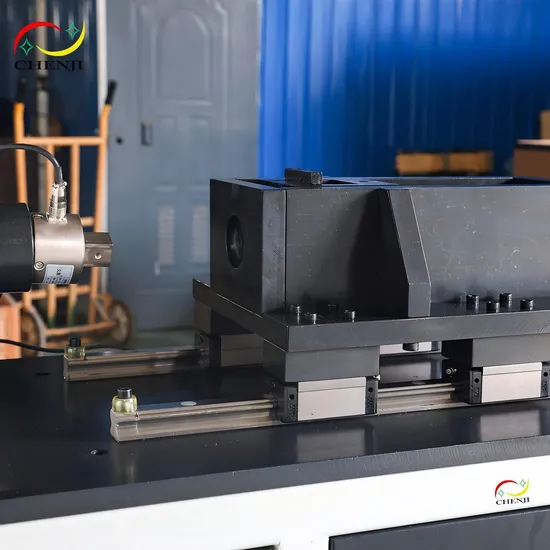
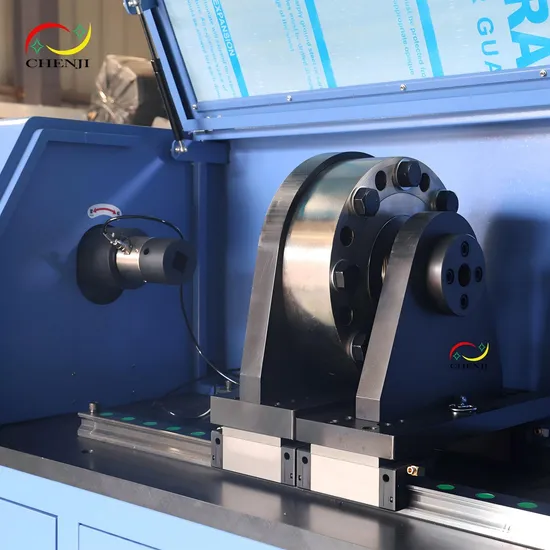
M12-M36 tooling on special bolt fixture (NAICE); 2000Nm flange dynamic total torque sensor (German NCTE or equivalent); 1000Nm/350KN compression-torsion composite sensor (AVIC Research Institute or equivalent).
Modular Test Functions (4-1 through 4-7)
- 4-1 Effective torque — ISO2320-2008 locking nut tightening characteristics
- 4-2 Friction coefficient — ISO16047, GB/T16823
- 4-3 Simulated working condition — customer assembly process programming
- 4-4 Attenuation detection — axial force decay curve over time
- 4-5 Yield tightening — torque/axial force at yield point
- 4-6 Tightening damage — fastener failure torque and axial force
Controller and M12-M36 Fixture Notes
NAICE TEST DSP controller (FPGA + ARM, Ethernet TCP/IP) supports multi-channel ±10V analog and encoder inputs for automotive fatigue-grade closed-loop speed.
Main machine: Japan-import AC servo motor and drive, reducer, dynamic torque sensor, load sensor, static torque sensor, guide rail. Safety load 150% rated; linear error 0.3% FS forward/reverse.
For M12-M36 programs, verify sleeve set and jaw replacement tools in the random tool kit before running ISO16047 friction sequences.
Buyer FAQ — NCMC-2000SE
M12-M36 vs M10-M20 pages?
This listing emphasizes M12-M36 high strength bolt span and 800mm space for longer fasteners.
Can we run GB and ISO on one machine?
Yes — module 4-2 and standard reference block list both GB/T and ISO methods.
Support contact?
annie@chenjitester.com | +86 158 5311 1612 — CHENJI material testing machines, since 2014, OEM/ODM export supply.
More Photos