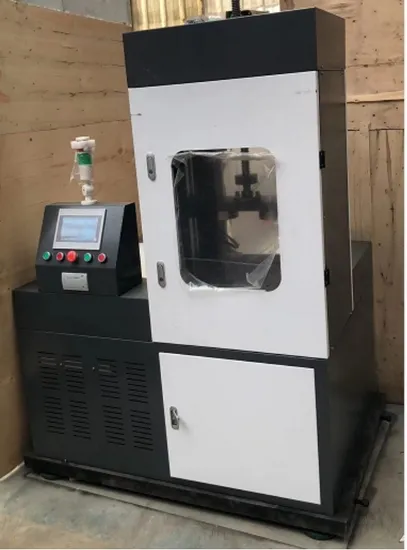
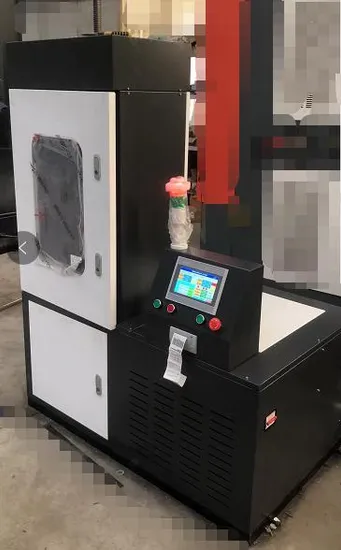
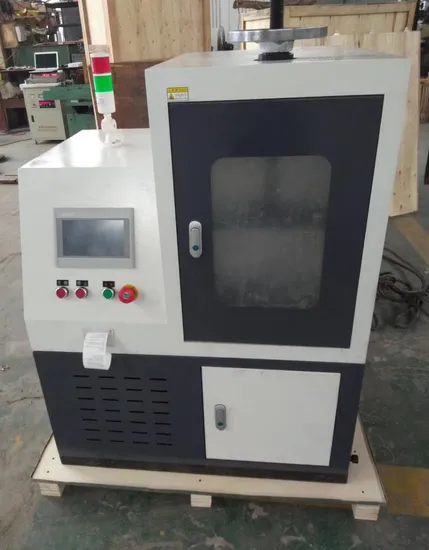
100 N.m Computerized Metal Material Torsion Testing Machine
Torsion Testing Machines
Overview
Metal and Wire Torsion Testing with the TNS-W100P
The 100 N·m Computerized Metal Material Torsion Testing Machine — TNS-W100P 100Nm microcomputer-controlled torsional fatigue tester — targets metal specimens, torsion bars, and engineered elastic parts where both static torsion and low-frequency fatigue must be documented on one horizontal unit.
CHENJI (Jinan Chenji International Trade Co., Ltd., testing machines since 2014) positions this 100 N.m / 100 N·m system for metal labs that need ±100 N·m capacity with 220Nm static headroom and GB/T2611-2006 compliance.
Specimens: Metal Wire, Torsion Bars, and Assemblies
The microcomputer-controlled torsional fatigue performance testing machine integrates static and dynamic functions for:
- Metal wire and bar torsion — quality sections verifying twist angle vs torque before downstream forming
- Torsion bars and shafts — angle-controlled or torque-controlled fatigue between set limits
- Spring assemblies — when horizontal layout and 200mm test space suit long or linked samples
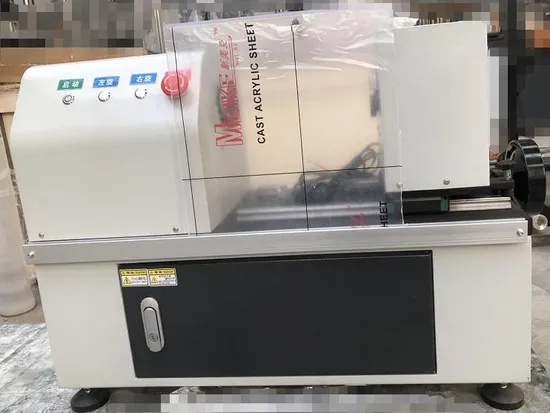
Horizontal layout: fixed torque disk + sensor on the left; Panasonic AC servo motor with zero-backlash servo planetary reducer on the right drives the force-applying disk. Loading slides on guide rails to adjust span.
TNS-W100P Performance Data
| NO. | Name | Technical parameter |
|---|---|---|
| 1 | Maximum test torque (N.m) | ±100 — range 1-100Nm |
| 2 | Torque indication error | ≤±1%; angle measurement ≤±1% |
| 3 | Minimum torque resolution | 0.01 N.m; angle 0.1° |
| 4 | Test waveform | sine wave |
| 5 | Fatigue test frequency | 0.1-3Hz (increases as angle decreases) |
| 6 | Torque angle measurement range | 0~365000º |
| 7 | Test space | 200mm |
| 8 | Power | 1000W, ~220VAC±10% 50Hz |
| 9 | Main unit dimensions / weight | 900*430*650mm / 150kg |
| 10 | Electrical quality | GB/T2611-2006 |
Static testing is strengthened to 220Nm overall for 200Nm maximum fatigue requirement on the strengthened machine, motor, and sensor range.
Control Modes: Torque vs Angle Fatigue
Force-controlled (torque-controlled) testing — set a torque value; fatigue runs from zero to set value or between two torque levels.
Angle-controlled testing — set angle limits; fatigue sweeps between angle setpoints.
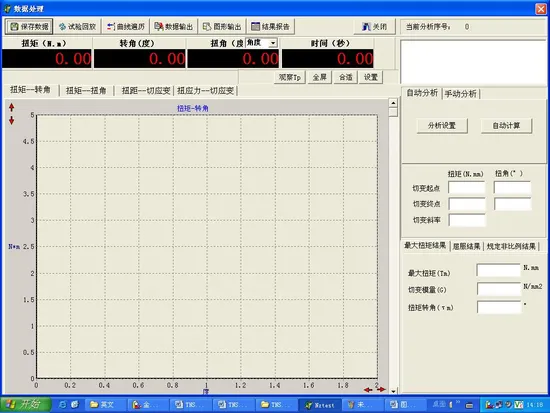
TNS-W100P software on Windows supports real-time torque-angle curves, batch testing up to 12 test points, auto-save, A4 reports, overload/overcurrent/overvoltage/overspeed protection, and emergency stop.
Batch Workflow for Metal QC
- Clamp specimen — use jog forward/reverse on the panel for fine alignment
- Enter parameters on the graphical user interface (GUI)
- Run static torsion to peak 100Nm (or fatigue band per 0.1-3Hz rule)
- Store curves — multi-point count, save, and print per point
High-precision torque sensor (bidirectional) plus photoelectric encoder on the output shaft feed the measurement and control system.
Common Questions from Metal Testing Labs
Is this only for springs?
No — the title emphasizes metal material torsion; fixtures and span adjustment support torsion bars, wire, and assemblies within 200mm space.
How does it differ from a vertical spring tester?
Horizontal TNS-W100P suits long samples and shared static/fatigue software; torque path is optimized for 1-100Nm daily use.
Standards support?
Machine quality per GB/T2611-2006. Users may align internal procedures with ISO/ASTM methods; contact annie@chenjitester.com for English software and export documentation.
Delivery content?
Technical solution package per TNS-W100P 100Nm configuration; refer to quotation for computer/printer bundle.
More Photos